Hotel Review·Rebeca Fenney·
Tokyo Business Hotels 2026: Small Rooms, Real Value
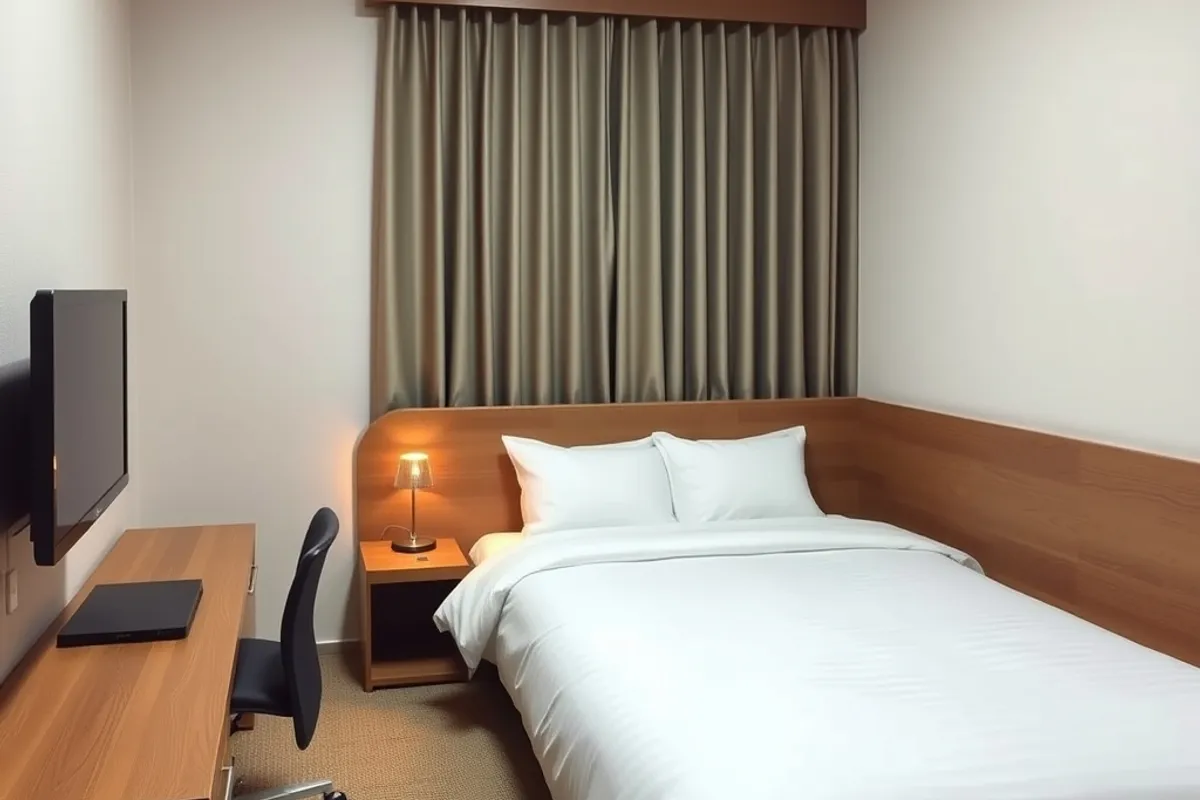
Tokyo business hotels are the best value in the city if you accept the size. We tested rooms across four wards to find out which small stay is actually comfortable.
Key facts
- A standard Tokyo business hotel room is 11 to 14 square metres, including the bathroom.
- Rates are usually per room, not per person, which makes them good value for couples.
- Many hotels charge a fixed late-checkout fee and an early check-in fee; ask before you arrive.
- Shinjuku, Shibuya and Ueno have the best transport, but quieter wards offer lower rates.
Why Tokyo business hotels work
Tokyo is expensive until you look at the business hotel. For the price of a middling room in London or New York, you get a clean, quiet, well-equipped room in a city with the best transport in the world. The catch is size. A standard room is 11 to 14 square metres, and the bathroom is a capsule within that.
If you can accept that, the value is extraordinary. The rooms are designed with a place for everything, the beds are comfortable, and the staff are used to foreign guests. You are not paying for a lobby or a pool. You are paying for a base that works.
Shinjuku, Shibuya and the quieter wards
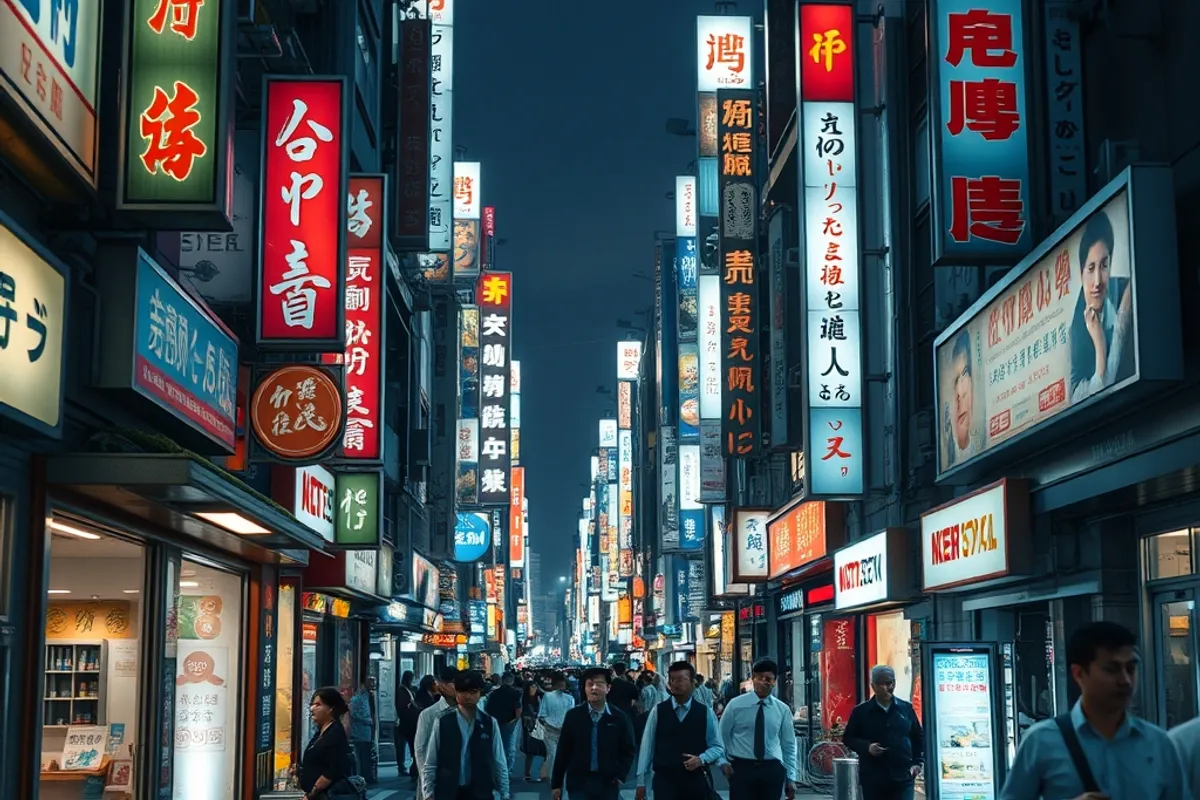
Shinjuku and Shibuya are the obvious choices: huge stations, endless food and easy access to the rest of the city. They are also loud and busy, and the hotels near the stations charge a premium. Ueno is cheaper, with a park and a good train link to the airport. Asakusa is quieter and more traditional, with a slower pace and lower rates.
For a longer stay, look at the wards just outside the centre: Nakano, Koenji or Kuramae. They are residential, cheaper and still well connected. The trade-off is a longer ride into the tourist core, which matters less than you think if you plan your days by area.
What a 12 square metre room feels like
It feels tight with two large suitcases and fine with hand luggage. The bed usually takes most of the floor, and the desk doubles as a shelf. The trick is to unpack into the storage under the bed and keep the suitcase vertical. After a day or two, the room starts to feel efficient rather than cramped.
Check the bed size before you book. A semi-double can be 120 centimetres wide, which is snug for two adults. A double is usually 140 centimetres, and a twin gives you two narrow beds. If you are tall, ask about the bed length; some Japanese beds are shorter than Western ones.
You do not go to Tokyo to sit in your room. You go to sleep in it, and a business hotel does that better than the price suggests.
Beds, bathrooms and the famous gadgets
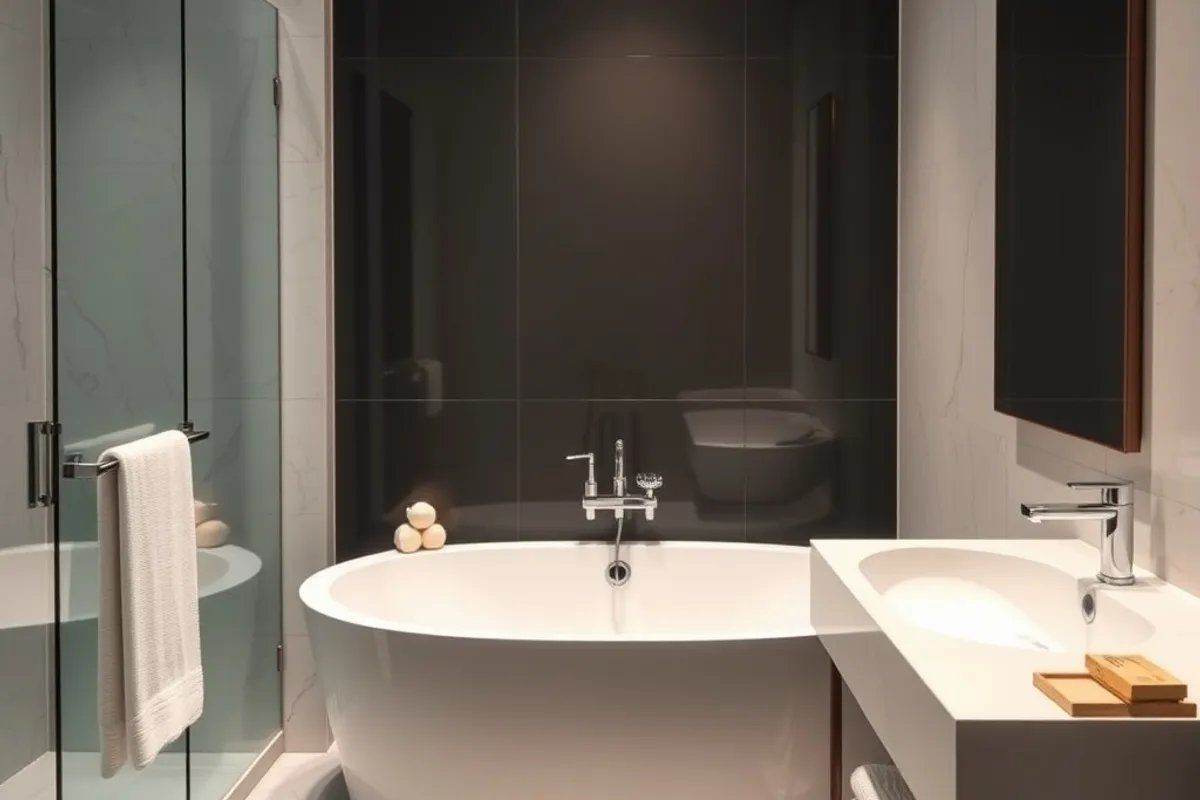
The bathroom is the surprise. Many business hotels have a deep tub, a powerful shower and a heated toilet seat, all packed into a space smaller than a wardrobe. The water pressure is usually excellent. Some rooms have a window that opens, which is rare in newer buildings, and a few have a view of a wall.
The gadgets vary: a humidifier, a shoehorn, a trouser press, a phone charger and a kettle. The air conditioning is usually effective but dry, so ask for a humidifier if you are staying more than a few nights. The walls are thin in older properties, so bring earplugs if you are a light sleeper.
Breakfast, laundry and the useful extras
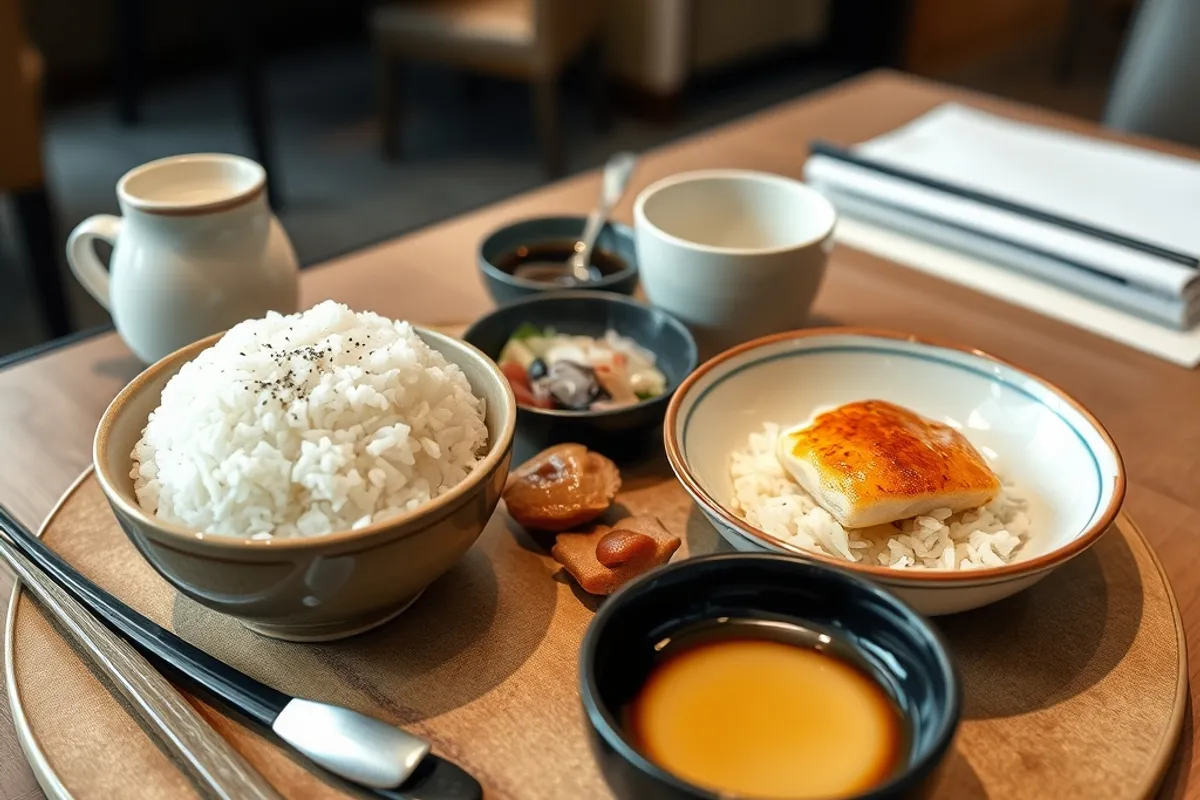
Breakfast is often a simple buffet or a Japanese set with rice, fish and miso. It is usually good value and saves you a morning search. Some hotels have a coin laundry, which is a gift on a longer trip, and a microwave in the lobby. Check whether the hotel has a luggage storage service before and after check-in; most do.
The extras add up if you use them: late checkout, early check-in, and the airport bus. Ask for the fees when you book. If you are arriving late, confirm that the front desk is staffed overnight; most business hotels are, but small guesthouses are not.
Booking, points and the tax question
Book direct if the hotel has an English site, and compare with the major platforms. Japanese business hotel chains often have member rates that are lower than the public price, and the loyalty programs are worth joining if you stay more than a few nights. Rooms are usually priced per room, not per person, so couples save.
Check whether the rate includes breakfast and whether the hotel charges a city tax or an accommodation tax. Some municipalities add a small per-night fee. Also check the cancellation policy; the cheapest rates are often non-refundable, and plans can change.
For a European city break with more space, read our Porto boutique hotel guide, or browse the Travel Guide section for neighbourhood advice. JNTO has official information on transport passes and the accommodation tax that varies by city.
- Pack hand luggage or plan to store suitcases under the bed.
- Check the bed width; a semi-double is snug for two adults.
- Ask about late checkout and early check-in fees before you arrive.
- Join the hotel chain loyalty program if you stay more than a few nights.
Written by Rebeca Fenney for Rebeca Fenney. Tips or corrections? Email [email protected].