Hotel Review·Rebeca Fenney·
Boutique Hotels in Porto 2026: Six Stays Tested and Priced
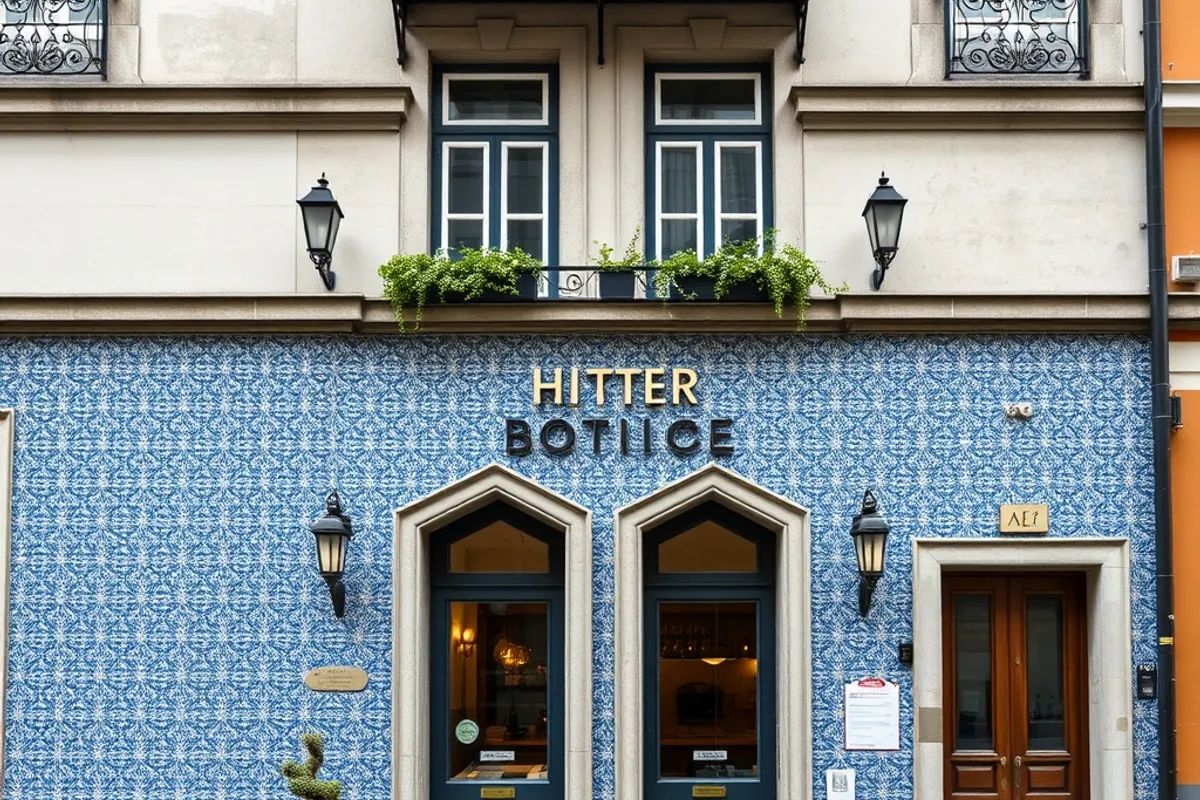
Porto has a small-hotel scene that punches above its size. We booked six rooms at public rates and compared the things the photographs never show: space, noise and what breakfast really costs.
Key facts
- Porto hotel rates peak in June and September, when the city hosts festivals and the Douro harvest begins.
- Many Ribeira rooms face the river but also the late-night bars; ask for a courtyard or upper floor.
- Boutique breakfasts are often an extra 12 to 18 euros per person.
- The historic centre is hilly, and a hotel close to a metro stop saves a taxi every evening.
What boutique means in Porto
In Porto, boutique usually means a restored townhouse with ten to thirty rooms, original tiles and a design budget spent on the lobby. That can be lovely, but it also means thin walls, small lifts and a breakfast room that doubles as the reception. The best properties turn those limits into character. The worst charge a design premium for a room that would be ordinary in a chain.
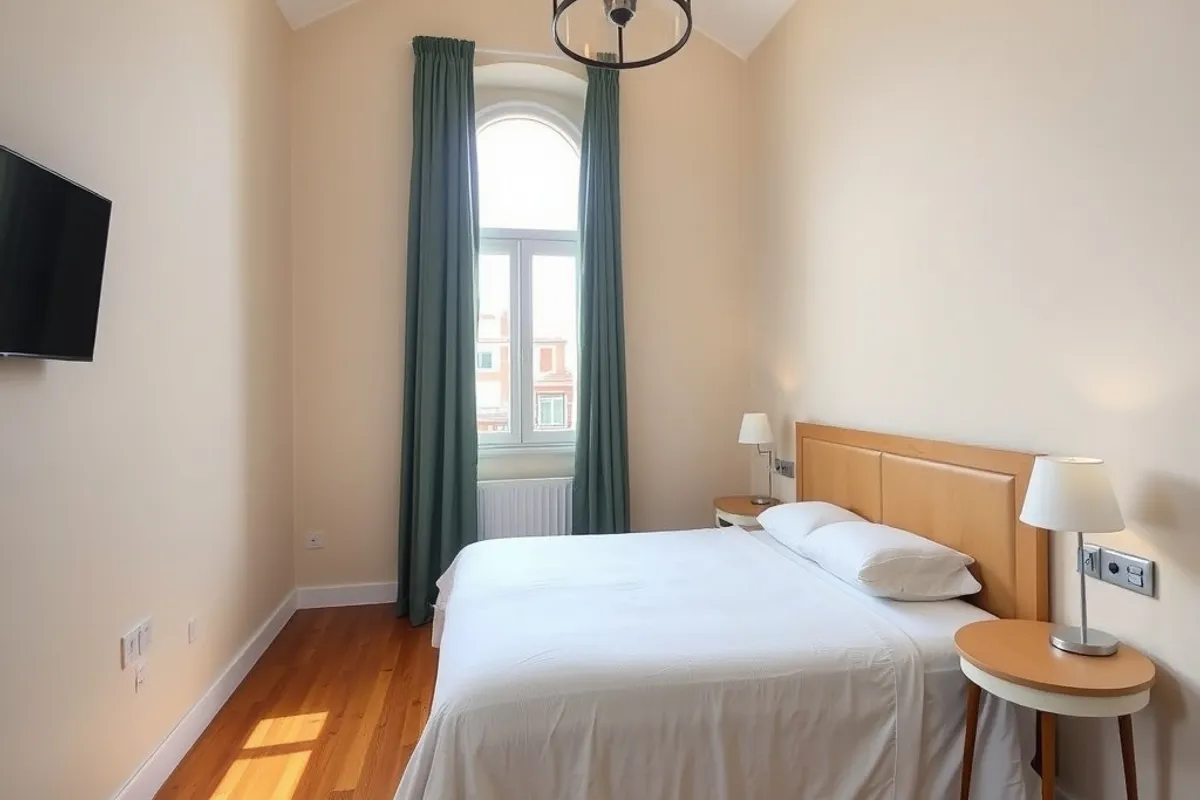
The question to ask is not whether the hotel is pretty. It is whether the room works after the photographs: can you open two suitcases, is the window double-glazed, and does the hot water last through a morning shower?
Ribeira versus the art district
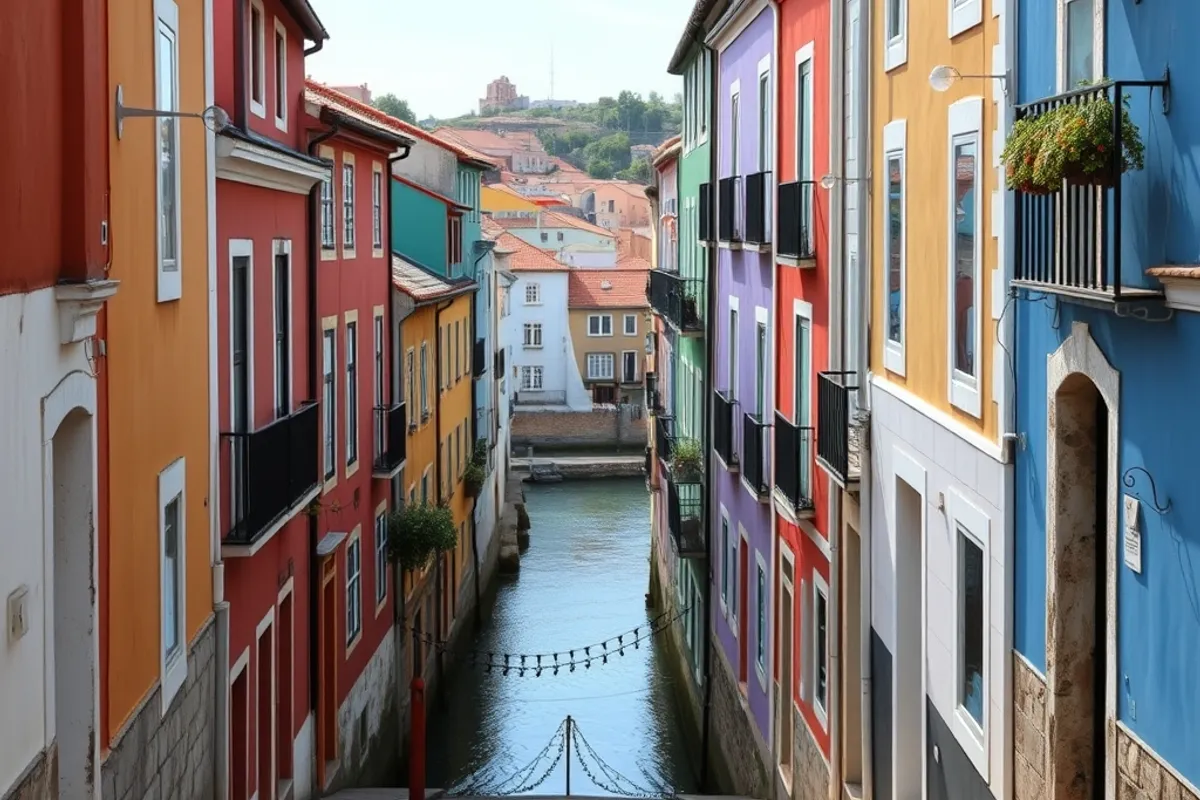
Ribeira is the postcard: colourful houses, the river and steep lanes. It is also the loudest and busiest part of the city, especially at night. The art district around Rua Miguel Bombarda is quieter, with galleries, coffee shops and a short walk to the centre. Baixa, around Aliados, is central and practical, though less atmospheric.
For a first visit, Baixa is the easiest base: walkable, close to transport and away from the worst night noise. For a romantic short break, Ribeira is worth it if you choose a room facing the courtyard rather than the river. For a longer stay, the art district has the best balance of calm and things to do.
Six stays, briefly rated
We booked six properties across the centre and the riverfront, stayed at least two nights in each and kept every receipt. The range was wide: from a nine-room townhouse with excellent breakfast to a riverfront property with a view worth the rate and a noise problem after midnight.
- A Baixa townhouse with the best breakfast of the trip and a lift the size of a wardrobe.
- A Ribeira property with a river view and windows that did not block the bar noise.
- An art-district conversion with a large room, a tiny bathroom and excellent coffee.
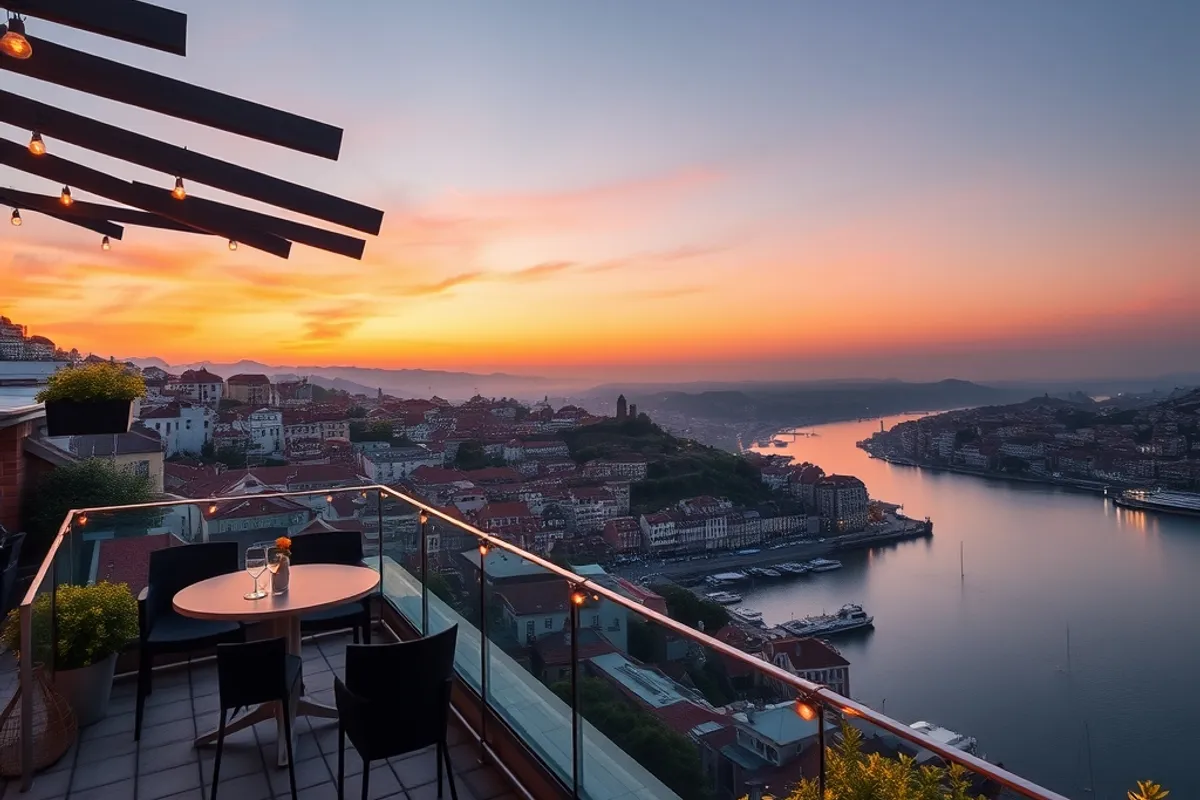
- A hillside guesthouse with a rooftop terrace and a 15-minute climb to the centre.
- A restored merchant house with original tiles and thin walls between rooms.
- A modern hotel near the metro with no character and the most comfortable bed.
The view from the rooftop is not the room. In Porto, the best hotel is the one you can sleep in after the city has had its dinner.
Room size, noise and the river
Porto rooms are often smaller than the listing suggests, especially in restored buildings where the original footprint cannot change. Check the square metres and the bed width, not the marketing name. A classic double can be 14 square metres, which is fine for a couple with hand luggage and tight with two large suitcases.
Noise is the bigger issue. Ribeira bars stay open late, and the lanes carry sound. Ask for a room on an upper floor at the back, and confirm that the windows are double-glazed. If the hotel cannot answer that question, assume the worst and bring earplugs.
Breakfast and the hidden costs
Breakfast in a Porto boutique hotel is often 12 to 18 euros per person, and it is usually a buffet with good bread, cheese and fruit. It can be worth it, but the city has excellent cafes at half the price. Compare the room-only and breakfast rates; sometimes the difference is small enough to include it, and sometimes it is not.
Watch for the city tax, which is charged per person per night and is not always in the quoted rate. Parking is rare and expensive in the centre, so a car is a liability unless you are heading to the Douro. If you arrive by train, choose a hotel within walking distance of Sao Bento or Campanha and save the taxi.

Booking direct in Porto
Small hotels pay high commissions to the booking platforms, so many will match or beat the platform price if you write to them directly. Ask for the best rate, a quiet room and a late checkout in the same email. The reply tells you a lot about the service you will get.
Book flexible if you are travelling in spring or autumn, when the weather can change plans. June and September are the busiest months, so book early and avoid the festival weekends unless you are attending. For a quiet trip, January and February are cheap and cold, with shorter queues and lower rates.
For a city with a different rhythm, compare our Tokyo business hotel guide, or browse the Luxury Stay section for higher-end rooms. Visit Porto lists the current city tax and the festival calendar that drives the price spikes.
- Ask for an upper-floor room at the back if you stay in Ribeira.
- Check the square metres and bed width before you book.
- Compare room-only and breakfast rates; the buffet is not always worth it.
- Email the hotel directly and ask for a quiet room and the best rate.
Written by Rebeca Fenney for Rebeca Fenney. Tips or corrections? Email [email protected].