Luxury Stay·Rebeca Fenney·
Alpine Chalet Hotels 2026: Five High-Altitude Stays Worth It
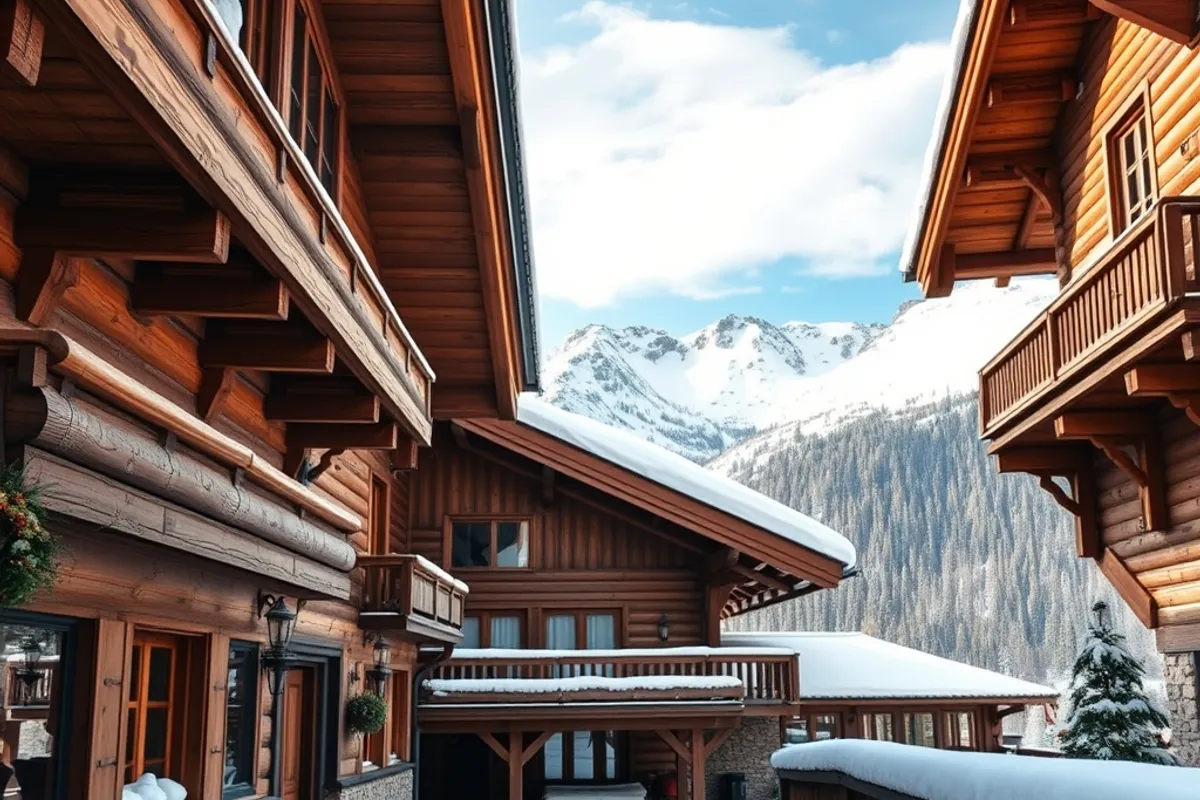
A chalet hotel sells wood, snow and a fire. The best ones also get the boring things right: a warm boot room, a bed that works at altitude and a bill without surprises.
Key facts
- Half-board is the norm in alpine chalet hotels and usually adds 55 to 90 euros per person per night.
- Ski-in, ski-out is a precise claim; check the piste map and the walk from the boot room.
- Altitude above 1,800 metres can disturb the first night of sleep even for fit travellers.
- Christmas, New Year and the February school holidays can double the same room rate.
What a chalet hotel is and is not
A chalet hotel is a hybrid: the timber and fire of a private chalet, with the front desk, restaurant and housekeeping of a hotel. The best ones feel intimate without pretending to be your own house. The worst ones use the word chalet to charge a premium for a standard room with a pine headboard.
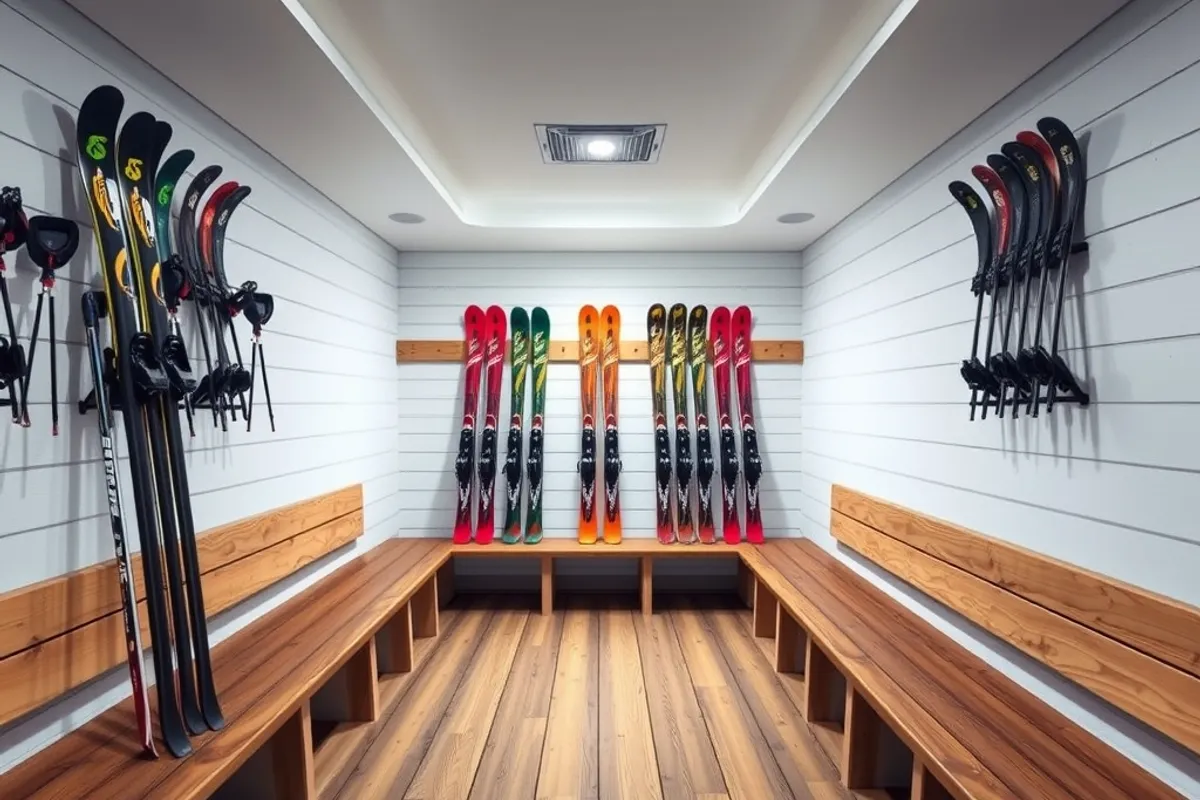
The difference is in the service ratio and the common space. A real chalet hotel has somewhere to sit besides your room, a boot room that actually dries gear, and staff who know which lift is running late. Ask about all three before you book.
Zermatt, Verbier and the quiet valleys
Zermatt is car-free, dramatic and expensive. The Matterhorn view is real, but so is the crowd on the main street. Verbier is a serious skier town with a fast lift system and a price to match. For a quieter stay, look at the side valleys: Saas-Fee, Grindelwald or the villages around Engelberg, where the snow is often as good and the bill is smaller.
Think about what you will do after skiing. A big resort gives you bars and shops; a small village gives you silence and a shorter walk home. Neither is better, but choosing the wrong one is the most common way to spoil an expensive week.
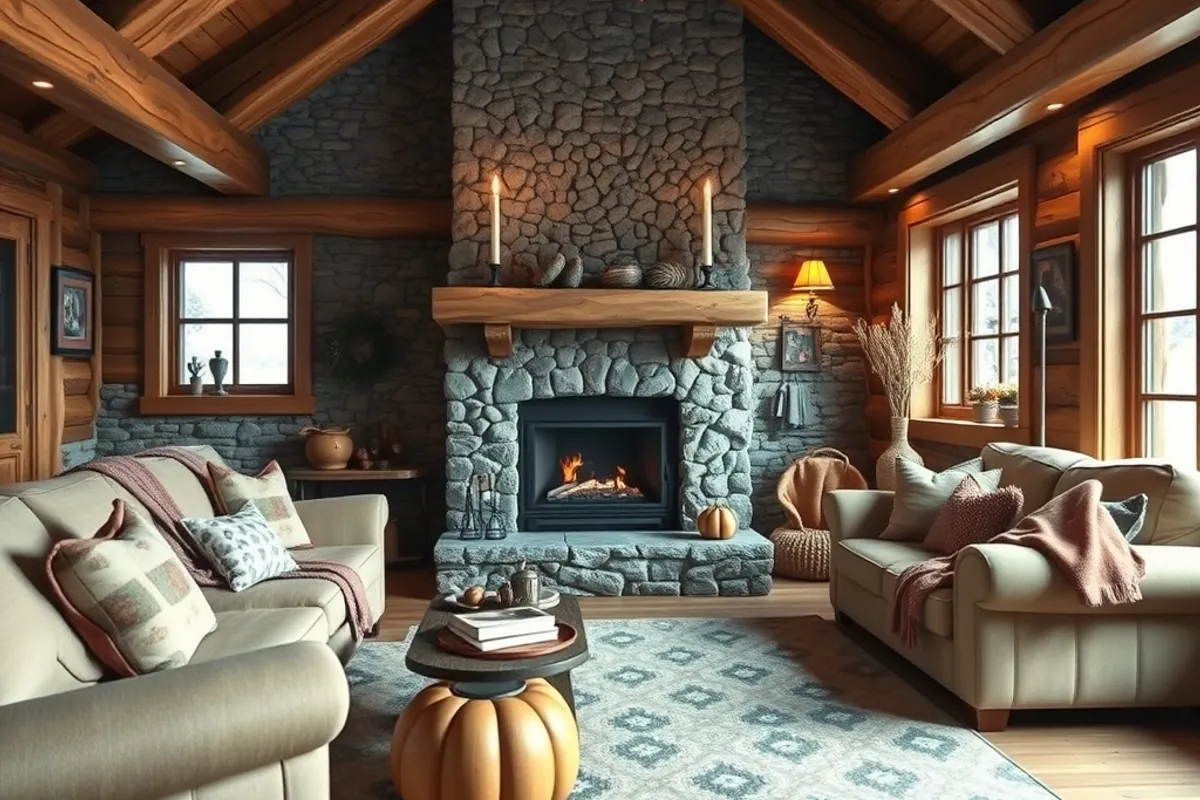
Ski-in, ski-out: read the map
Ski-in, ski-out is the most abused phrase in alpine marketing. It can mean your door touches the piste, or it can mean a five-minute walk, a road crossing and a shuttle. Check the piste map and the satellite image, then look for the boot room exit. If the hotel cannot show you the exact route, assume a walk.
Also check the return leg. A property can be ski-out in the morning but require a lift, a bus or a steep walk at the end of the day. After six hours on the mountain, that last 300 metres matters more than the brochure photograph.
In the Alps, the view gets you to book. The boot room, the bed and the transfer get you to come back.
Half board, spa and the extras that add up
Half board is common and can be good value, but it also limits you to the hotel kitchen every night. If the village has restaurants you want to try, book bed and breakfast and keep the evening free. Check whether drinks, afternoon tea and the spa are included or charged separately; a 20 euro daily spa fee for a week is not trivial.
The other extras are parking, equipment rental and lift passes. Some hotels bundle a pass into the rate, which is genuinely useful. Others sell it at the desk with a small markup. Add everything up before you compare two properties on room price alone.
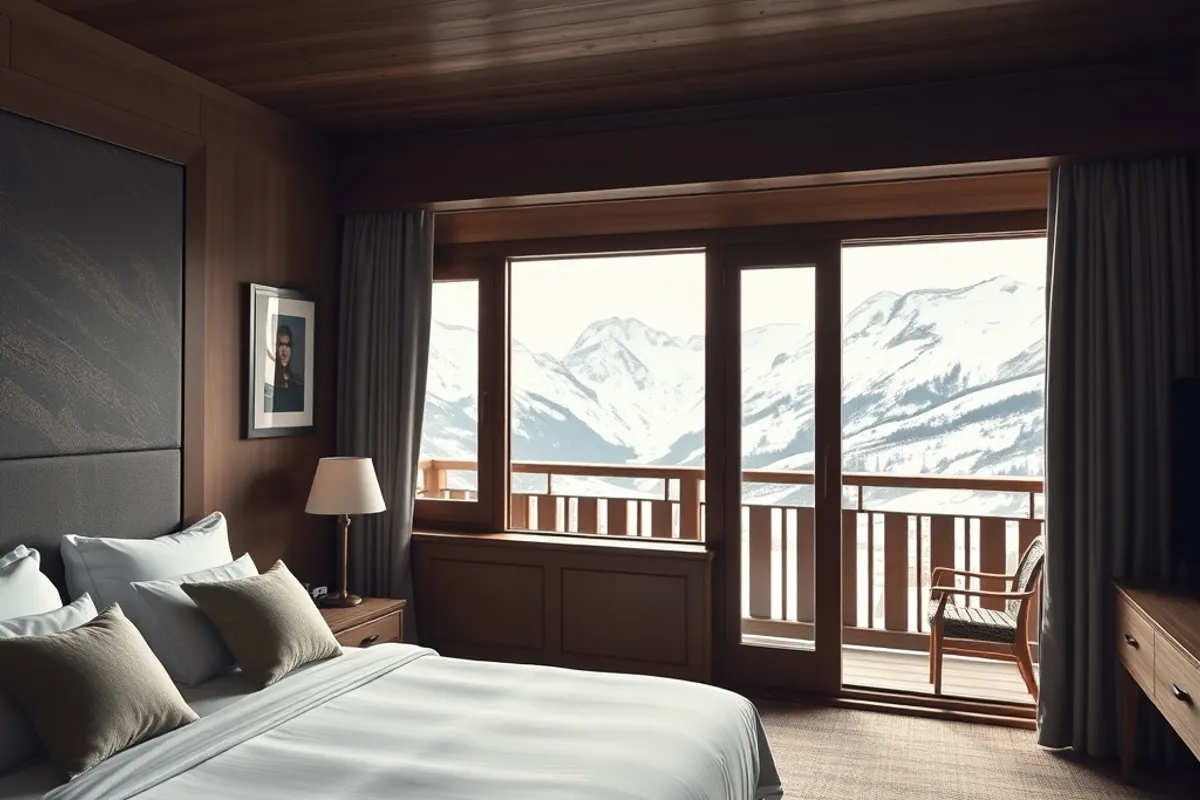
Altitude, sleep and the first night
At 1,800 metres and above, some people sleep badly on the first night. The fix is simple: arrive early, drink more water than you think you need, and treat the first day as a warm-up rather than a full ski day. If you are travelling with children or anyone with heart or lung conditions, ask a doctor before booking a high resort.
Rooms with a balcony are lovely in photographs and colder in practice. Check the heating and whether the balcony door seals properly. A view of the Matterhorn is not worth a draught at 2am.
When to book and what to avoid
Book early for Christmas, New Year and the February school holidays; these weeks sell out and the prices only rise. January after the first week and the second half of March are the sweet spots: good snow, fewer people and softer rates. Late-season skiing can be slushy at low altitude, so choose a resort with a high upper mountain.
Avoid a non-refundable booking if you are driving to the Alps, because road closures and snow chains can change your arrival day. A flexible rate is worth the extra when the weather is part of the plan.
For a warmer luxury stay, compare our Maldives overwater villa guide, or browse the Destination Insight section for the towns around these resorts. Switzerland Tourism publishes current lift schedules and snow reports that are more reliable than a hotel website.
- Ask for the exact ski-in and ski-out route, including the return leg.
- Confirm whether half board, spa access and the lift pass are included.
- Arrive early and keep the first day light if the resort is above 1,800 metres.
- Book January or mid-March for better rates and fewer crowds.
Written by Rebeca Fenney for Rebeca Fenney. Tips or corrections? Email [email protected].