Travel Guide·Rebeca Fenney·
Kyoto on Foot 2026: A Four-Day Neighbourhood Guide
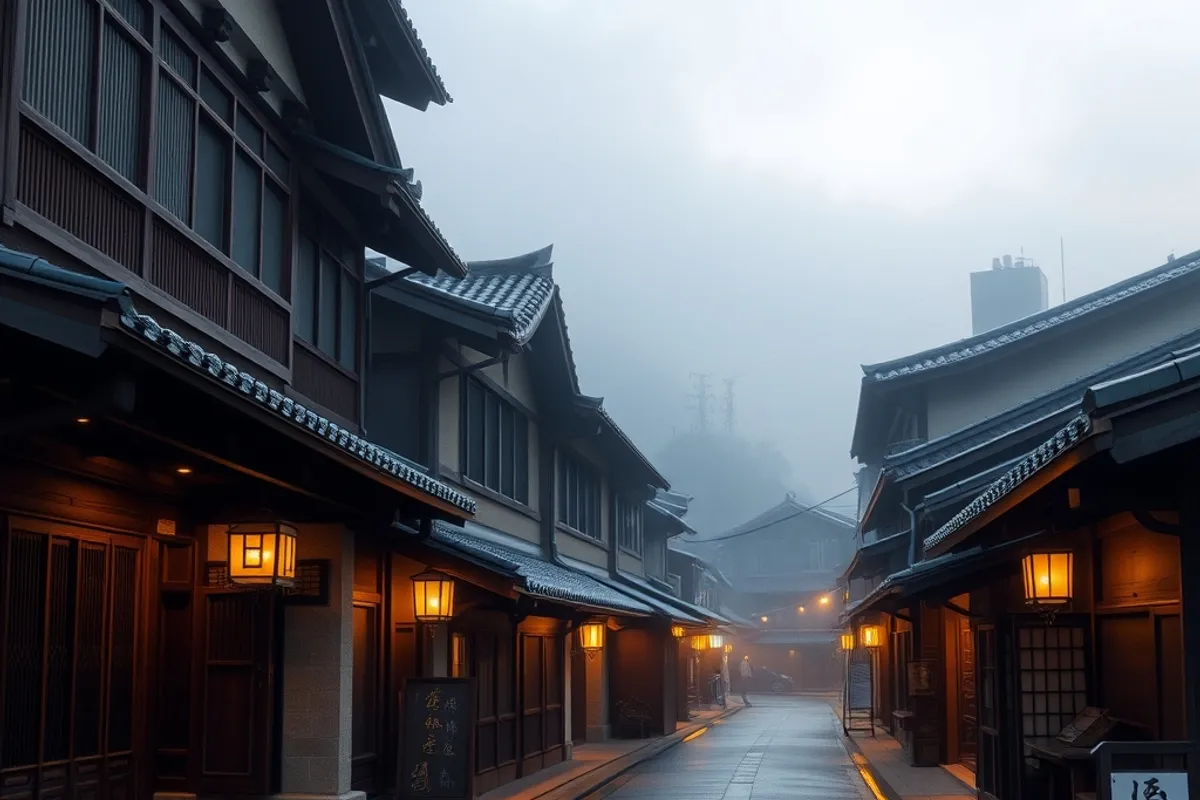
Kyoto rewards slow walking and punishes rushed lists. This four-day route stays inside a few neighbourhoods, starts early, and leaves room for the city to surprise you.
Key facts
- Many major temples open at 8am or earlier; the first hour is the quietest of the day.
- A one-day bus pass costs less than four single rides and covers most of central Kyoto.
- The city is flat in the centre but temple districts climb; comfortable shoes matter more than a camera.
- Autumn colour peaks in late November; cherry blossom usually peaks in the first week of April.
Why Kyoto works best on foot
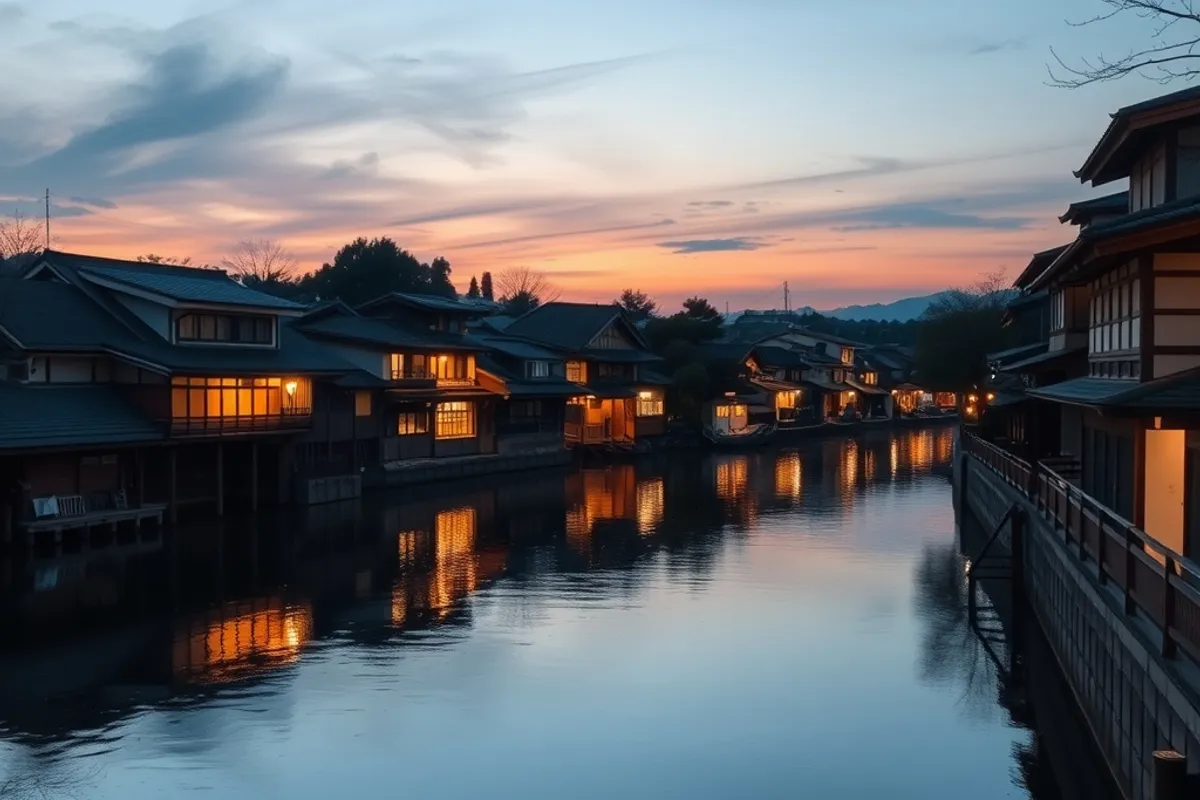
Kyoto is a city of small distances and large crowds. The famous sites are spread across the east, west and north, and the bus network is good but slow when the streets fill. Walking lets you move between temples, markets and neighbourhoods without waiting, and it puts the best parts of the city in front of you: the canal, the old wooden houses and the small gardens that never make a top-ten list.
The trick is to group your days by area, not by checklist. Pick one side of the city each morning and stay there. You will see fewer places and remember more of them.
Where to sleep: four neighbourhoods
Kyoto Station is convenient and impersonal, best for a short stay or a late arrival. Downtown around Shijo and Kawaramachi puts you in the middle of restaurants and shopping. Gion and Higashiyama are beautiful and busy, with traditional streets and a short walk to the eastern temples. The north, around Demachiyanagi, is quieter and greener, with easy access to the Philosophers Path.
For a first trip, the area between Shijo and Sanjo is the best compromise: walkable, full of food, and close to both the river and the eastern hills. Book a machiya guesthouse if you want atmosphere, but check the bathroom and the stairs before you commit. Old wooden houses are charming and not always warm.
A four-day route that does not rush
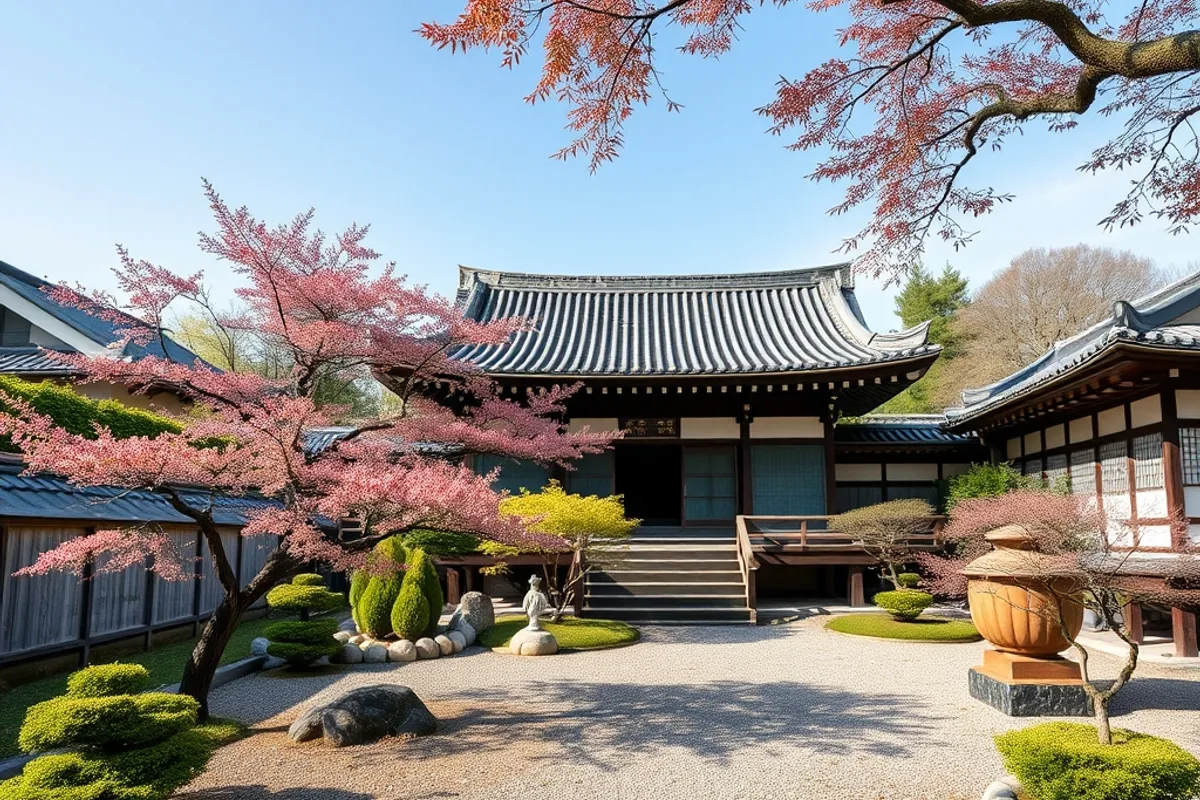
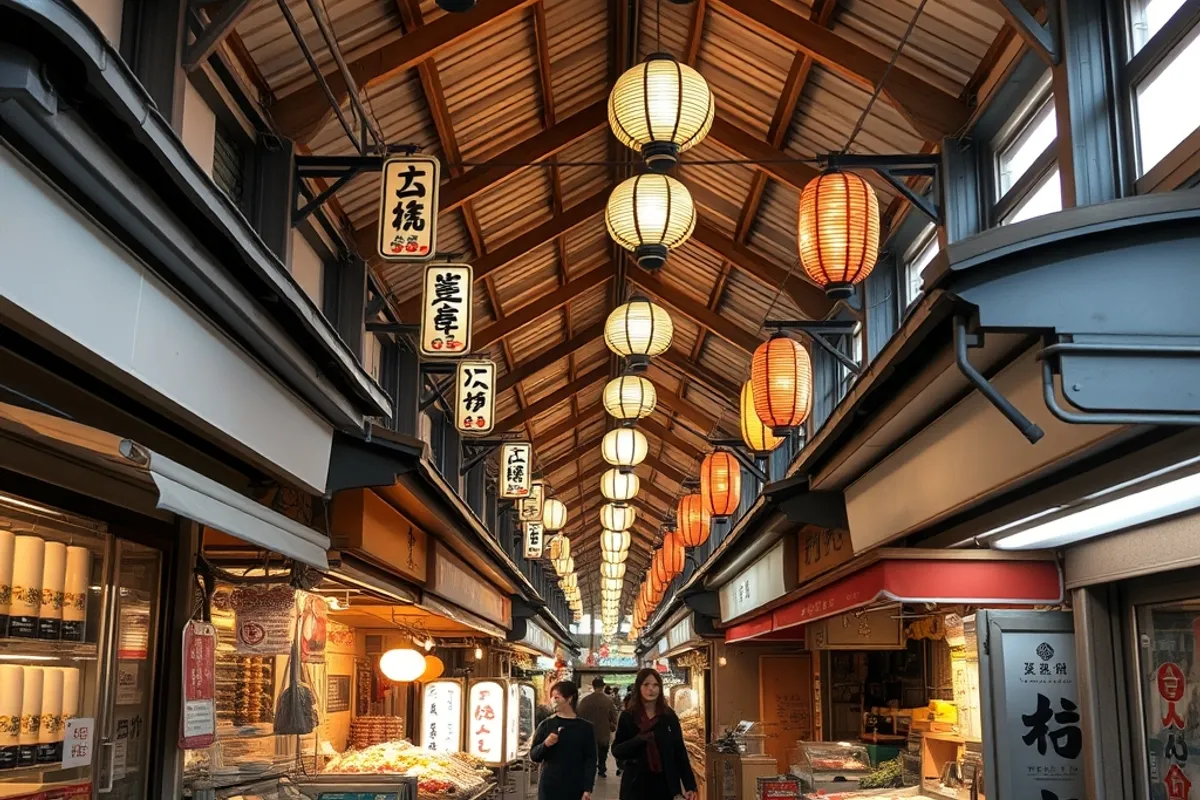
Day one is the east: start at Kiyomizu-dera when the gates open, walk down through Sannenzaka and Ninenzaka, then follow the canal north to Ginkaku-ji and the Philosophers Path. Day two is the centre: Nishiki Market in the morning, the Imperial Palace gardens in the afternoon, and a slow evening along the Kamo River.
Day three is the west: Arashiyama early for the bamboo grove, then the riverside and the quieter temples away from the main street. Day four is the north: Fushimi Inari at dawn if you can manage it, then a lazy lunch and a final walk through Gion after dark. If you have less time, drop Arashiyama before you drop the east.
Kyoto is not a city you finish. It is a city you return to, and the first trip should leave something for next time.
Markets, temples and the timing that matters
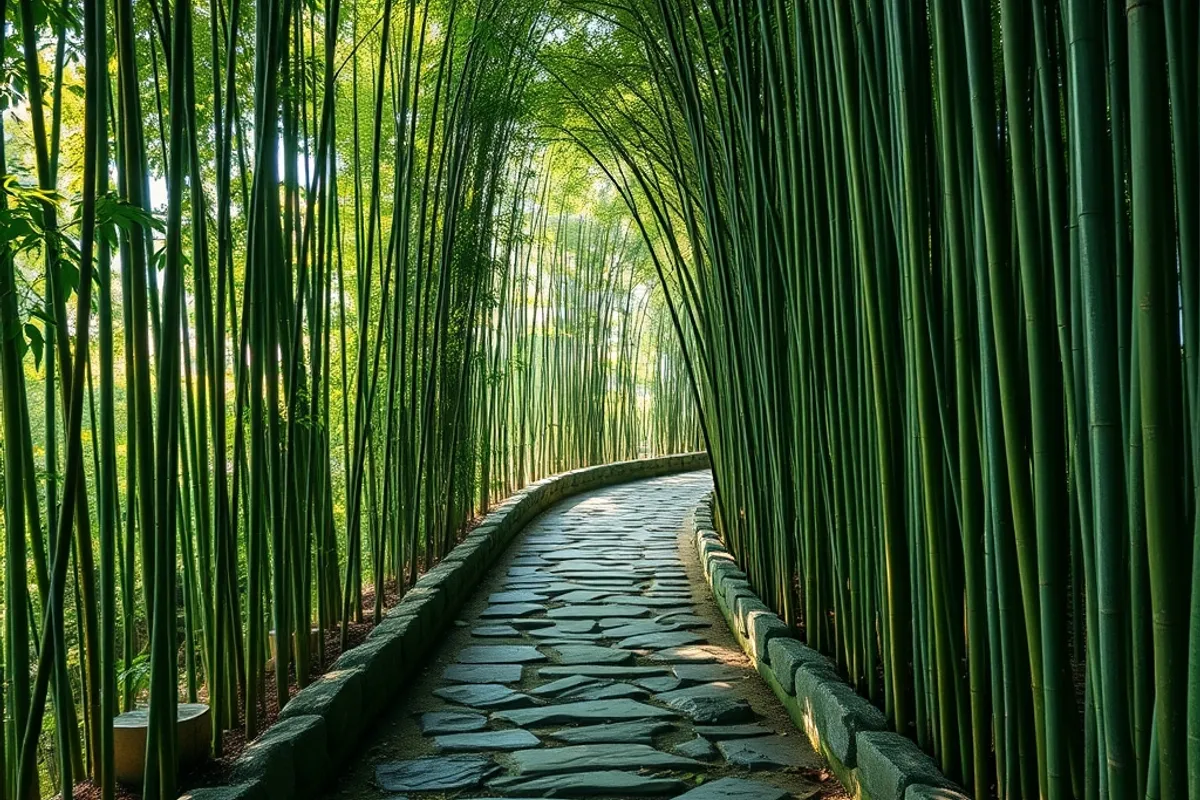
The crowd curve is predictable. Major temples are calm at opening, busy from ten, and heaving by noon. Markets are best before eleven, before the tour groups arrive and the stalls get tired. The bamboo grove is a narrow path with a single direction of travel; go at seven or accept that your photograph will include thirty strangers.
Check opening days before you walk across the city. Some temples close one day a month, and a few close in the middle of the afternoon. The official city tourism site is more reliable than a blog from 2019. If a site is closed, the neighbourhood around it is usually worth the walk anyway.
Buses, bikes and the rail pass question
The bus network covers the city, but buses are slow at peak times and can be packed. A one-day pass pays for itself after four rides, and the subway is useful for longer hops. Taxis are clean and expensive; use them when you are carrying luggage or it is raining.
Bicycles are excellent in the flat centre and along the river, less so in the temple hills. Rent from a shop near your accommodation and check the brakes and the lock. Do not rely on a nationwide rail pass for Kyoto itself; the city is not a shinkansen destination, and the pass is for long-distance travel.
Food without the queue
Kyoto has more good food than any four-day trip can cover. For lunch, look for a set meal away from the main tourist street; the quality is often higher and the queue shorter. For dinner, book one special meal and keep the rest casual. Nishiki Market is a good lunch, not a substitute for dinner.
Vegetarian travellers should look for shojin ryori, the temple cuisine, and ask whether dashi contains fish. It usually does. A little Japanese goes a long way: sumimasen for excuse me, and gochisousama deshita when you leave a restaurant. Staff appreciate the effort even when the pronunciation is rough.
What I would skip on a first trip
I would skip the full checklist of seventeen temples. I would skip the bus at 9am on a weekend. I would also skip any tour that promises five sites in one day, because it turns a city of quiet gardens into a queue with a microphone. Choose two temples a day, walk between them, and leave the afternoon open.
For a city break with a coast at the end, see our Lisbon city guide, or browse the Travel Experience section for slower trips. JNTO publishes official opening hours and festival dates that are worth checking before you plan.
- Start at the temple gates when they open, before the crowds.
- Group each day by neighbourhood instead of crossing the city.
- Buy a bus pass only if you will take four or more rides.
- Book one memorable dinner and keep the rest of the meals flexible.
Written by Rebeca Fenney for Rebeca Fenney. Tips or corrections? Email [email protected].