Destination Insight·Rebeca Fenney·
Slovenia Lakes 2026: Beyond Lake Bled
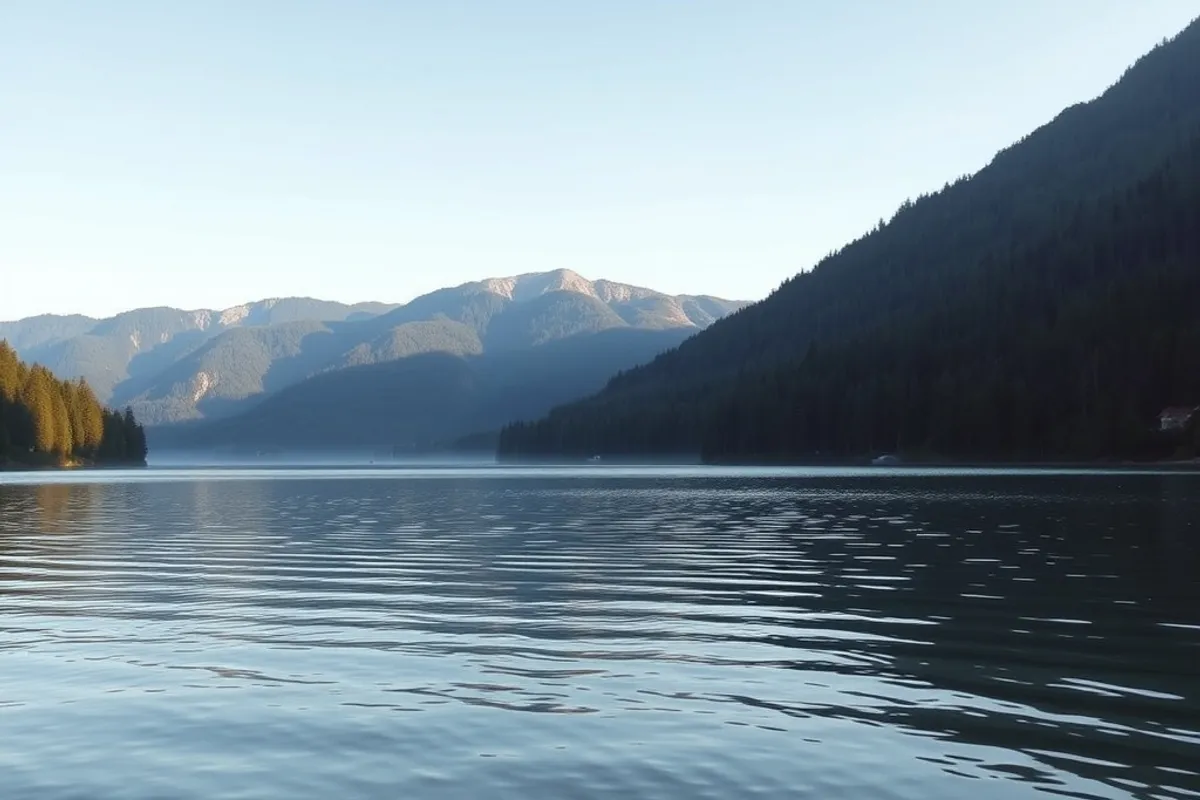
Lake Bled is the postcard, but the quieter water is 25 minutes away. This is the lakes-and-mountains week that skips the tour buses and still sees the best of Slovenia.
Key facts
- Lake Bled is 25 minutes by car from Lake Bohinj; the two lakes feel completely different.
- The Julian Alps have marked hiking trails for every level, but weather changes fast at altitude.
- A rental car is the most practical way to link the lakes, the Vrsic pass and the Soca valley.
- July and August are the busiest months; June and September are quieter and cheaper.
Lake Bled is not the whole story
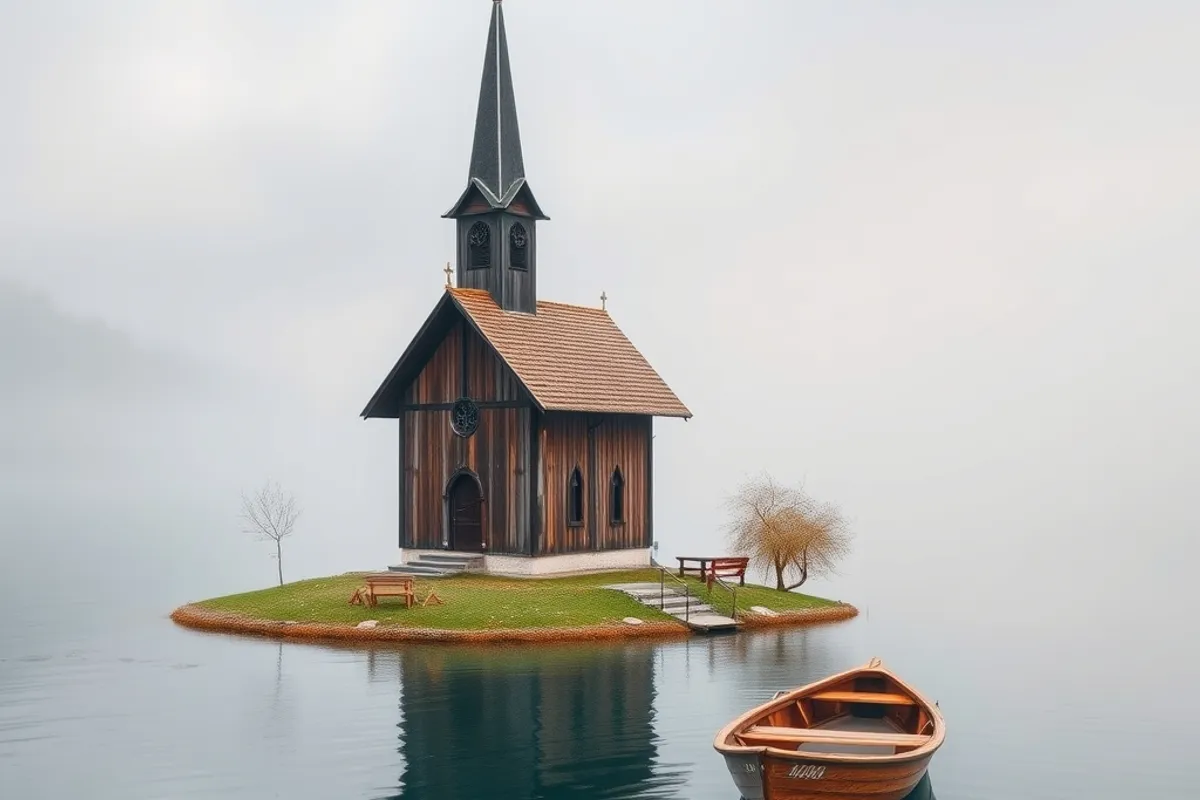
Lake Bled is beautiful and it knows it. The island church, the cliff-top castle and the cream cake are all worth seeing, but the town has become a stop on every coach tour in the region. By mid-morning in August, the lakeside path is a slow-moving queue. The lake is still worth a day. It is not the place to spend a week.
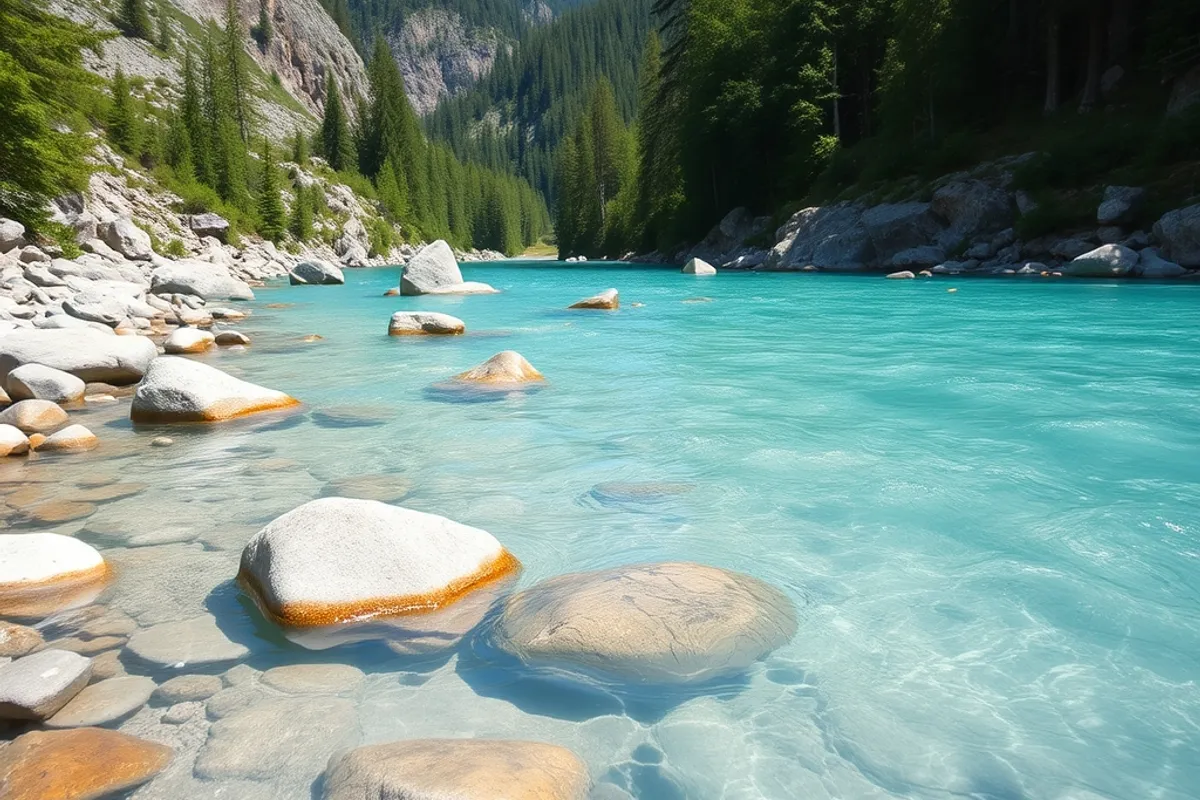
The good news is that the real lake district starts 25 minutes west. Lake Bohinj is larger, quieter and surrounded by the Triglav National Park, with water clear enough to see the bottom in the shallows. It is where Slovenians go when they want the mountains without the crowd.
Bohinj: the quieter lake
Bohinj has a small village, a few hotels and a campsite, and not much else. That is the point. The lake is swimmable in summer, the walking is excellent, and the cable car to Vogel gives you a view over the whole valley. In the evening, the restaurants are quiet and the sky is dark enough for stars.
Base yourself in Ribcev Laz or Stara Fuzina, within walking distance of the water. A car helps for the further trails and the Soca valley, but you can manage without one if you are happy to walk and take the occasional bus. Book accommodation early in July and August; the best farm stays fill up months ahead.
The Julian Alps and the Vrsic pass
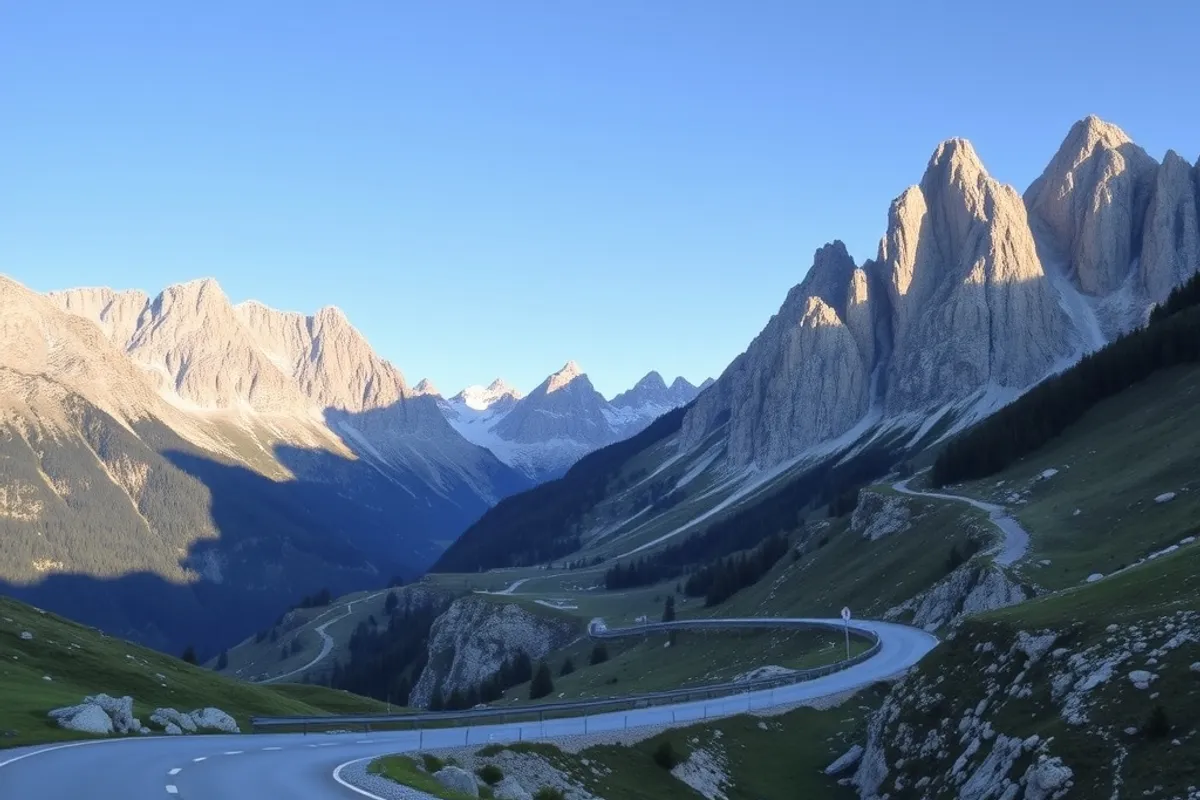
The Vrsic pass is the classic drive: 24 hairpin bends, limestone peaks and a chapel near the top. It is spectacular and narrow, and it is not a road for a nervous driver. Go early to avoid the coaches, check the weather, and do not attempt it in snow unless you know what you are doing.
From the pass, the road drops into the Soca valley, where the river is an impossible shade of green. Kobarid and Bovec are good bases for hiking, kayaking and the First World War history that runs through the valley. The walks are well marked, but the weather can turn quickly, so carry a rain layer even on a sunny morning.
Bled gives you the photograph. Bohinj gives you the silence. The 25 minutes between them is the best decision of the trip.
Where to base yourself
For a first trip, split the week: two nights near Bled, three nights at Bohinj and two nights in the Soca valley. That gives you the postcard, the quiet lake and the mountains without a long daily drive. If you only have a long weekend, choose Bohinj and skip Bled unless the island church is a must.
Ljubljana is a lovely city and a useful arrival point, but it is not a lake base. Stay one night at the start or end, then move on. The train links are good between the city and Bled, but the lakes themselves are best explored by car.
Costs, crowds and the right season
Slovenia is cheaper than neighbouring Austria and Italy, but the lakes are not a budget secret any more. A double room in Bohinj in high season runs 100 to 160 euros, and a farm stay can be less. Food is reasonable, and the local wine is good and inexpensive.
June and September are the best months: the water is warm enough to swim, the trails are open and the crowds are thinner. July and August are busiest and hottest. October brings colour and cold nights, and some mountain huts close. Winter is for skiing, not lake swimming.
Food and the farm stays
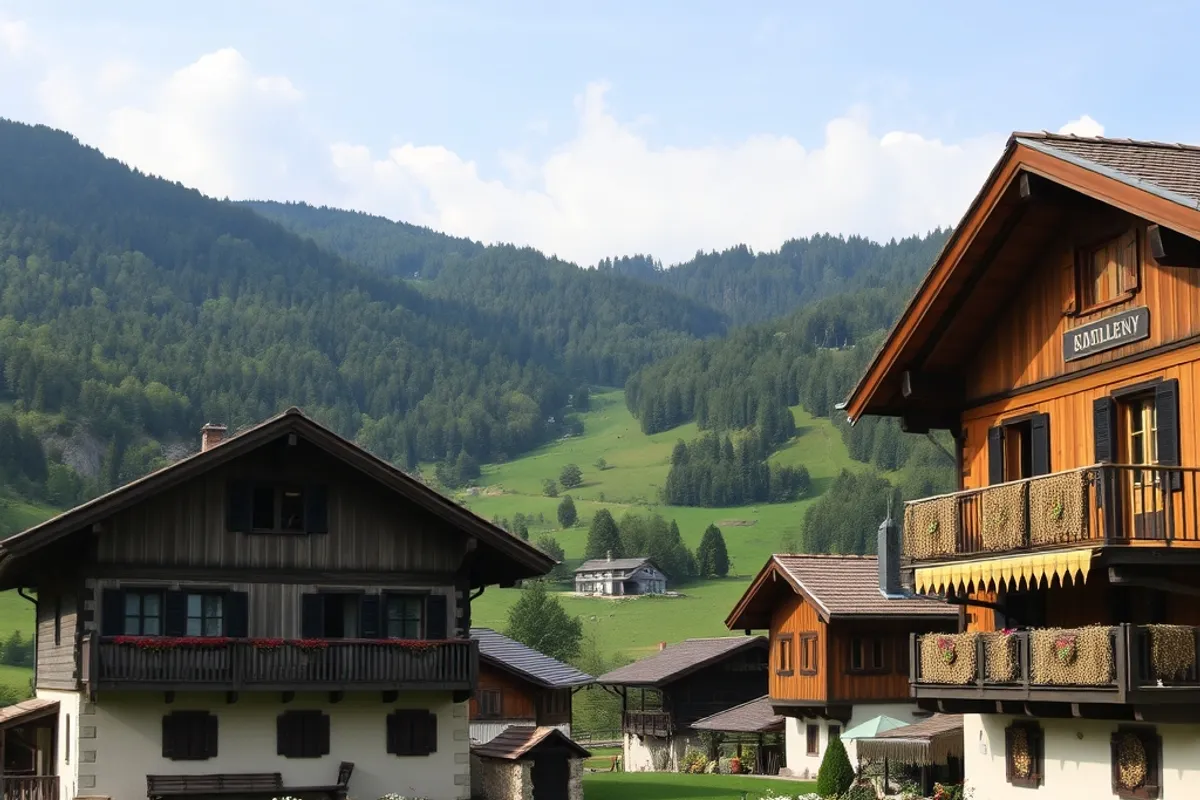
Slovenian food is mountain food: stews, dumplings, cured meat, freshwater fish and a lot of cream. Try struklji, the rolled dumplings, and the local cheeses. The farm stays often serve dinner from their own produce, which is both the best meal and the best value of the trip.
Vegetarians will find options in the towns and less in the mountain huts. If you have dietary needs, mention them when you book the farm stay; the kitchens are small and appreciate notice. Tap water is excellent everywhere, so carry a bottle and refill it.
For a road trip with more distance, see our Coral Coast guide, or browse the Travel Guide section for city itineraries. Slovenia Tourism publishes the official trail closures and cable car schedules that change with the season.
- Split the week between Bled, Bohinj and the Soca valley.
- Drive the Vrsic pass early, and check the weather before you go.
- Choose June or September for warm water and fewer crowds.
- Book a farm stay for dinner from the garden and better value.
Written by Rebeca Fenney for Rebeca Fenney. Tips or corrections? Email [email protected].