Travel Experience·Rebeca Fenney·
Night Trains in Europe 2026: A Sleeper Berth Diary
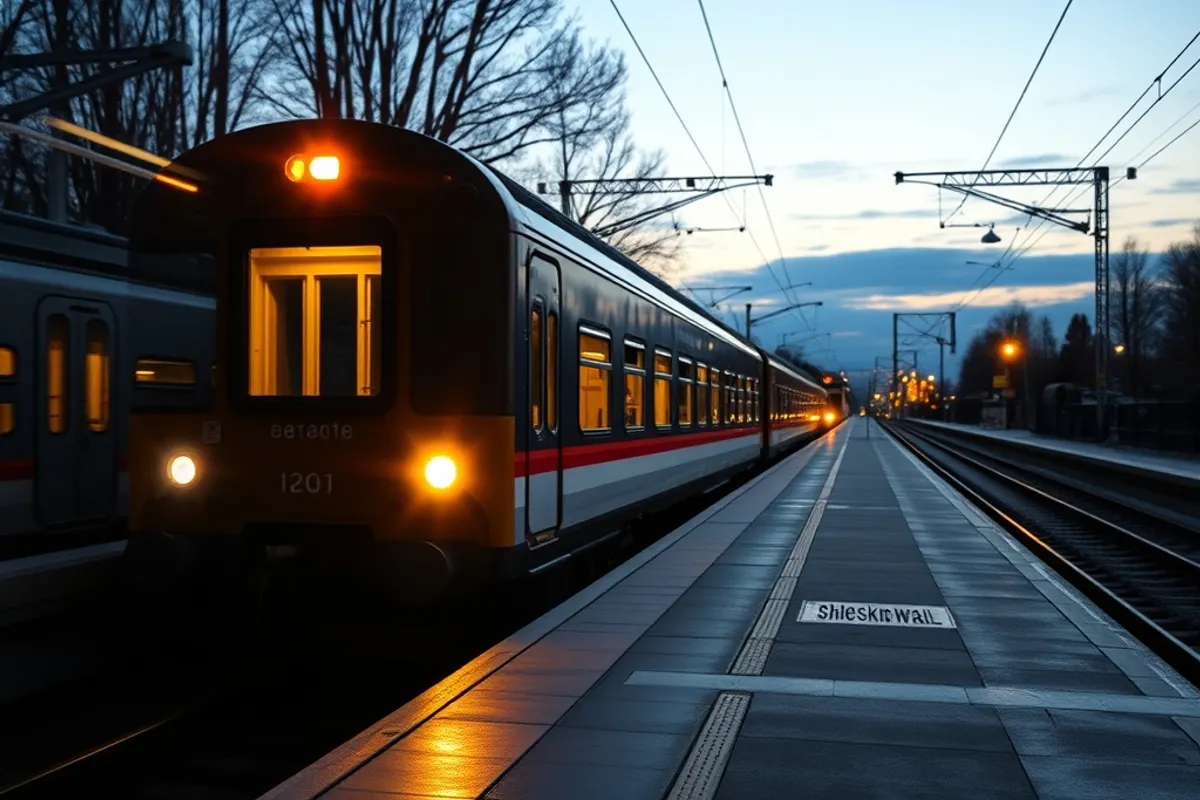
A night train is a hotel that moves and a flight that lets you watch the country go by. It is also a shared cabin, a narrow bed and a station at seven in the morning. Here is what to expect.
Key facts
- A sleeper cabin has one to three beds and a washbasin; a couchette has four to six bunks and no privacy.
- Book six to twelve weeks ahead for the best prices, especially in summer.
- Many night trains arrive early, so check the hotel check-in time before you book.
- A rail pass can cover the ticket, but seat and sleeper reservations are usually extra.
Why the sleeper is back
Night trains disappeared for a generation and then came back, partly because flying became less appealing and partly because people rediscovered the appeal of waking up in a new city. The modern sleeper is not the Orient Express. It is a practical way to move across Europe while you sleep, and it can save a hotel night and a day of travel.
The catch is comfort. A berth is narrow, the cabin is shared unless you book the whole compartment, and the shower is down the corridor. If you accept that, the experience is one of the best value luxuries in travel.
What a berth actually feels like
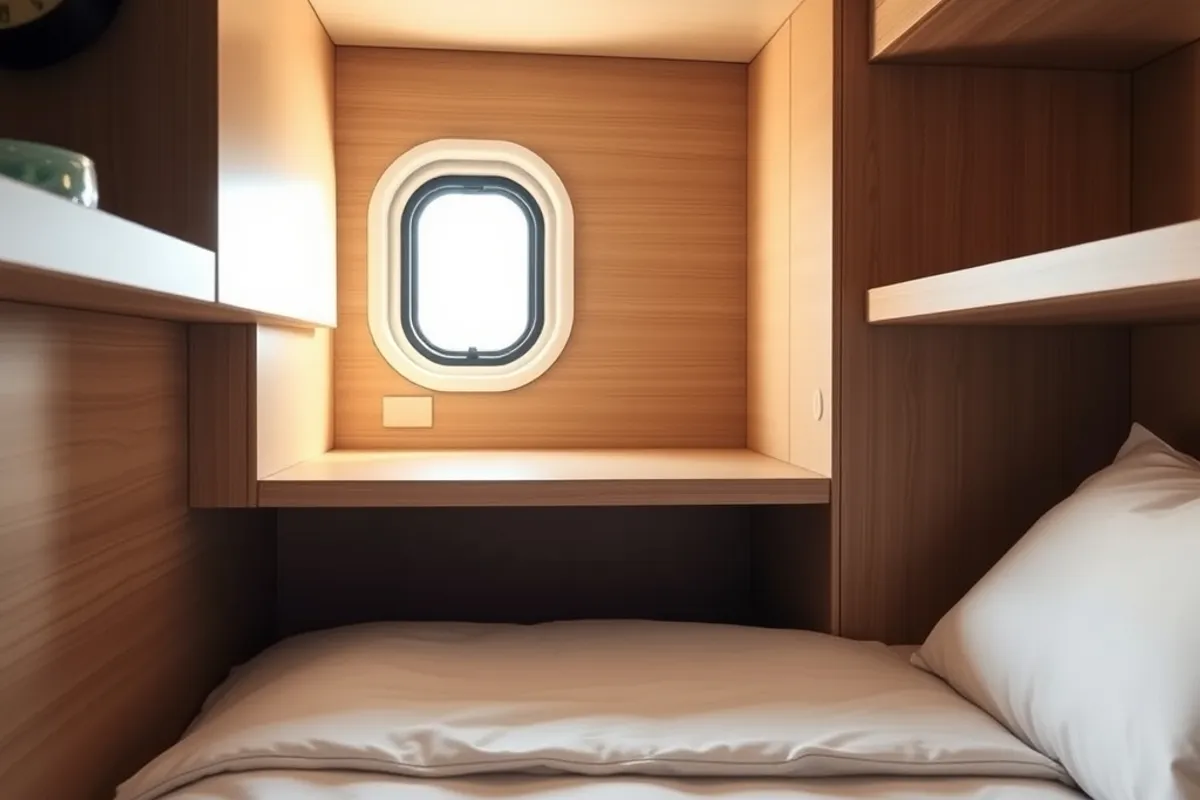
A sleeper cabin usually has one to three beds, a small washbasin and a window. The bed is about 70 centimetres wide, with a thin mattress and a duvet. It is comfortable enough for one night and not for three. A couchette is cheaper and less private, with four to six bunks and a shared toilet at the end of the carriage.
The noise is constant but rhythmic: the wheels, the couplings and the occasional station announcement. Most people sleep better than they expect. Bring earplugs, an eye mask and a bottle of water, and keep your valuables in the bed with you rather than on the shelf.
The routes worth booking
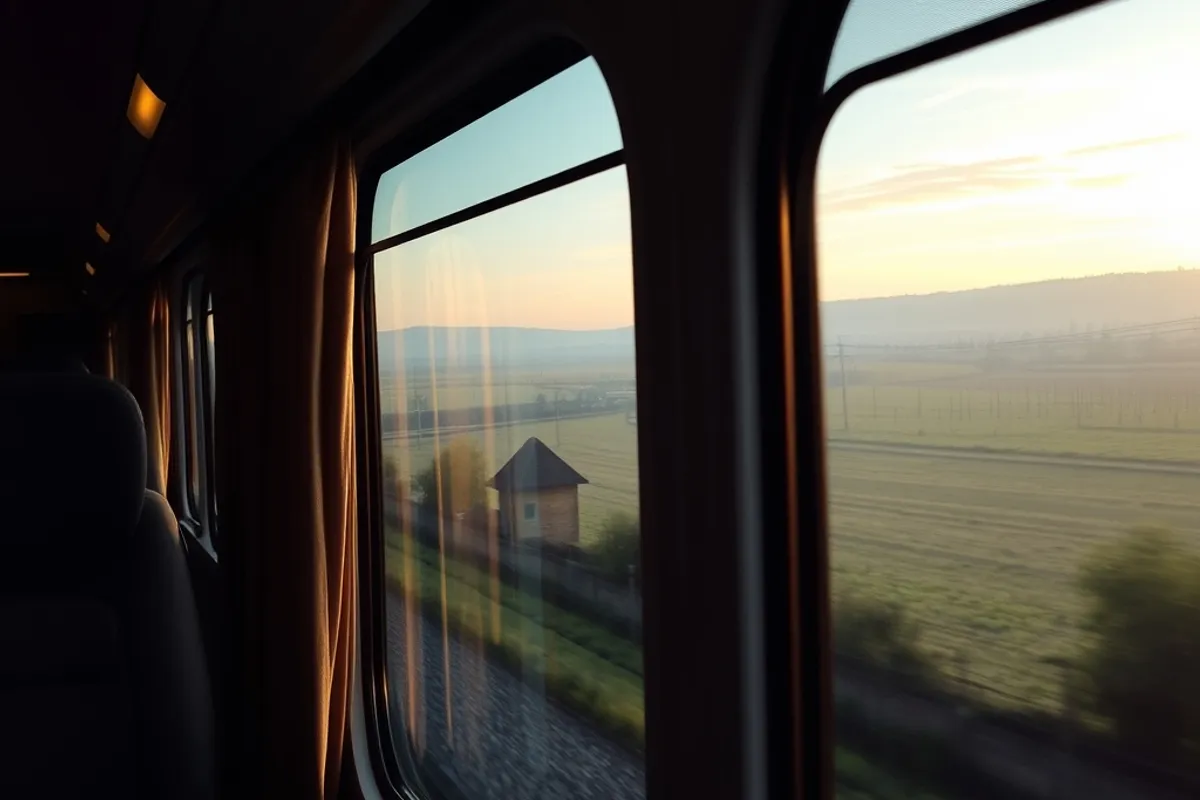
The classic routes run from Paris and Berlin to Vienna, Prague, Budapest and Copenhagen, with newer services linking Stockholm, Hamburg and Brussels. The scenery varies: the Rhine valley, the Alps, the Danish coast. The best routes combine a reasonable departure time with a morning arrival in a walkable city.
Avoid a route that arrives at five in the morning, unless you have a plan for the hours before check-in. A night train is only restful if the timing works at both ends. Check the arrival station too; some cities have several, and the one you want may not be the main one.
A night train is not a flight with a bed. It is a slow, social, slightly uncomfortable way to wake up somewhere new, and that is the point.
Couchettes versus sleepers
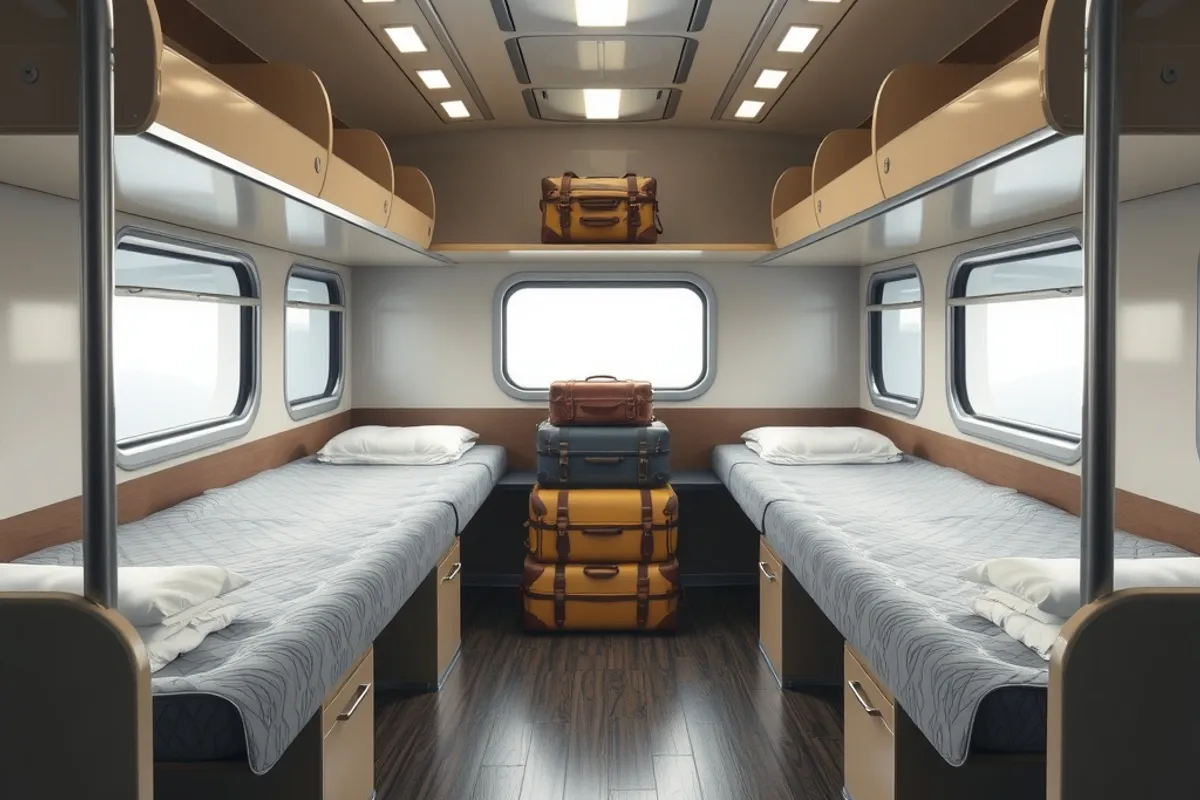
A couchette is the budget option: four to six bunks, a shared toilet, and a door that closes but does not lock from the inside in the same way. A sleeper gives you a proper bed, a washbasin and more privacy, sometimes with a shower. The price difference is significant, and the sleeper is worth it for a longer trip or a light sleeper.
If you are travelling alone, you may be paired with strangers in a couchette or a shared sleeper. That is part of the experience, but it is not for everyone. Women travelling alone can often request a women-only compartment; ask when you book, and do not assume it will be available.
Stations, delays and the first hour
Arrive at the station early enough to find the platform and the carriage, but not so early that you spend an hour in a cold waiting room. Night trains sometimes board only 20 minutes before departure. Keep your ticket on your phone and a screenshot in case the signal drops.
Delays happen, especially on long cross-border routes. Do not book a tight connection on arrival. Give yourself at least two hours before a flight or a meeting. If the train is cancelled, the operator will usually rebook you, but the process is easier if you have the app and the booking reference ready.
Sleep, safety and the shared cabin
The carriage is generally safe, and staff are present. The main risk is theft in shared compartments, so keep your passport, phone and wallet in a small bag on the bed. Use the lock on the door if there is one, and do not leave valuables charging in the corridor.
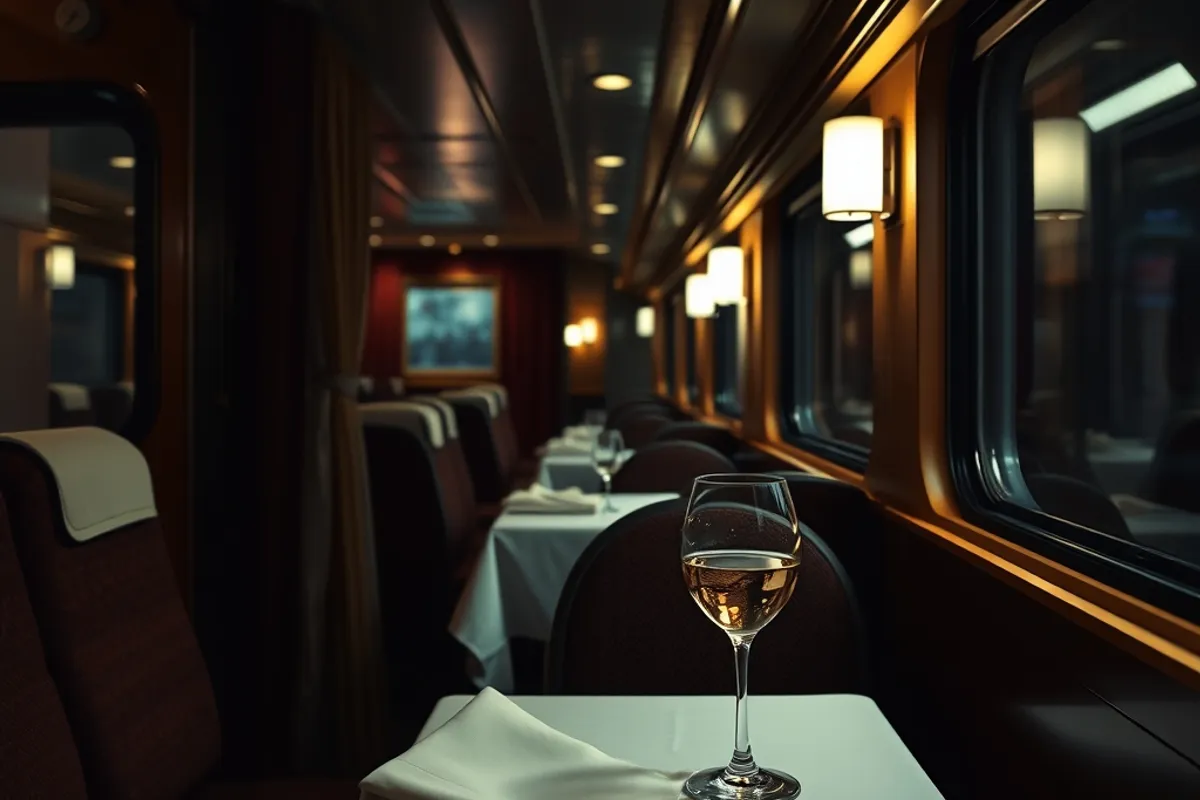
Sleep is easier if you book a lower berth, avoid a heavy meal late at night and skip the last glass of wine. A light breakfast is usually included in a sleeper ticket, and it arrives at a civilized hour. The shower is basic but hot, and a clean change of clothes makes the morning feel much better.
Booking without overpaying
Book directly with the operator or a reputable rail booking site, and compare the price with a flight and a hotel night. Sometimes the train is cheaper, sometimes it is not, and the value is in the experience as much as the money. A rail pass can cover the base fare, but reservations are extra and can sell out.
Travel in the shoulder season if you can. Summer is the busiest and most expensive, and the best cabins go first. Book a flexible fare if your plans might change; the cheapest tickets are often non-refundable.
For a different kind of slow trip, read our solo travel diary from Georgia, or browse the Luxury Stay section for the hotels at the end of the line. Seat 61 is the most reliable independent source for routes, timetables and booking tips across Europe.
- Book six to twelve weeks ahead, especially for summer.
- Choose a route that arrives at a civilized hour, not at five in the morning.
- Bring earplugs, an eye mask and a refillable water bottle.
- Keep your passport and phone in the bed with you, not on the shelf.
Written by Rebeca Fenney for Rebeca Fenney. Tips or corrections? Email [email protected].