Travel Guide·Rebeca Fenney·
Lisbon City Guide 2026: Where to Stay, Eat and Ride
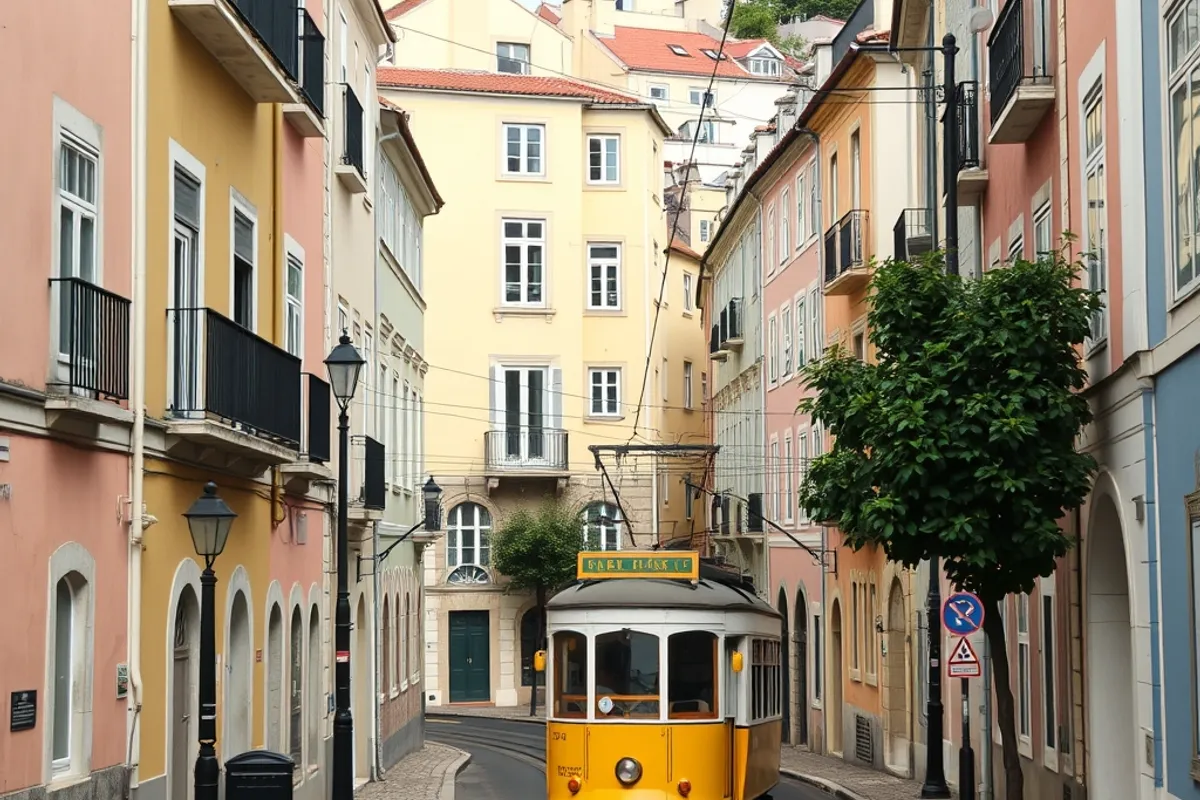
Lisbon is a city of hills, tiles and very good lunches. The trick is to pick the right neighbourhood, use the transport properly and resist the restaurant with the longest queue.
Key facts
- Lisbon is built on seven hills; a 15-minute walk on the map can mean 200 steps in practice.
- A rechargeable Viva Viagem card works on the metro, trams, buses and ferries.
- Tram 28 is beautiful and packed; the same route on foot is often faster.
- Many restaurants close between 3pm and 7pm, so plan lunch accordingly.
The shape of Lisbon
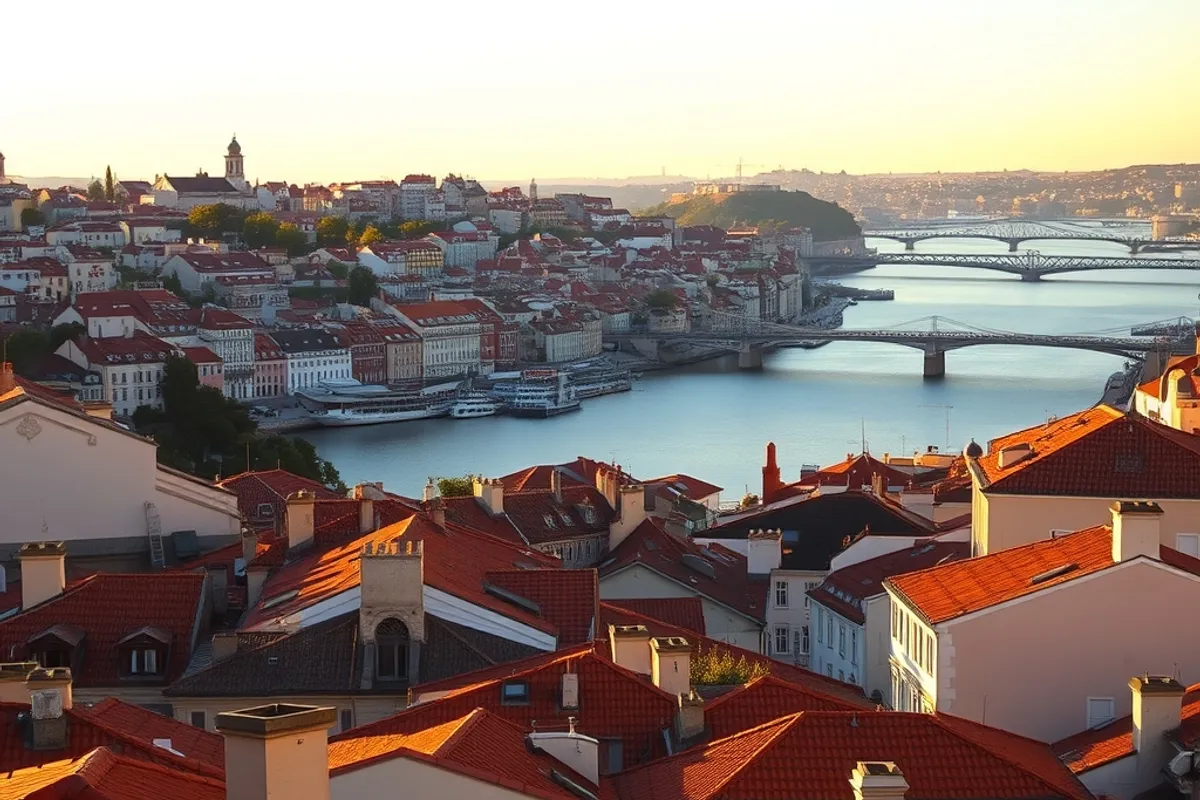
Lisbon is a city that makes sense once you understand the hills. Baixa, the grid at the bottom, is flat and central. Alfama climbs to the castle in a maze of lanes. Bairro Alto and Principe Real sit above the centre, and Belem stretches west along the river. The distances are short, but the vertical metres are real, and a wrong hotel choice can turn every outing into a stair workout.
Use the map to judge the slope, not just the distance. A street that looks close may be a flight of steps, and a tram that looks scenic may be the slowest way to cross town. The city is walkable if you plan around the hills rather than against them.
Where to stay: Baixa, Alfama, Principe Real
Baixa is the easy choice: central, flat, close to the river and the metro. It is busy and a little generic, but it works for a first visit. Alfama is atmospheric and steep, with narrow streets and fado houses; it is wonderful for two nights and tiring for a week. Principe Real is quieter, greener and full of good restaurants, with a short walk down to the centre.
For a longer stay, look at Estrela or Campo de Ourique, where the city feels lived in and the prices are lower. Avoid staying too far up the hill unless you are fit or happy to take a taxi every evening. A hotel near a metro stop is worth more than a view from a room you have to climb to reach.
Three days that cover the city
Day one is the centre: Baixa, the riverfront, the castle and Alfama. Start early, take the tram up rather than walking, and wander down through the lanes. Day two is Belem in the morning, then the LX Factory or the riverside in the afternoon. Day three is Principe Real, Bairro Alto and a long lunch, with time left for a miradouro at sunset.
If you have a fourth day, take the train to Sintra or Cascais. Sintra is dramatic and crowded; go on the first train and leave by early afternoon. Cascais is easier, with a coastal walk and a slower pace. Both are a short train ride from the city and a good break from the hills.
In Lisbon, the best plan is a long lunch and a short walk. Anything more ambitious will be defeated by a staircase.
Trams, metro and the hills
The metro is fast, clean and useful for longer hops. Trams are slower and more atmospheric; tram 28 is the famous one, and it is also the one to avoid at peak times unless you enjoy standing shoulder to shoulder. The ferries across the Tagus are cheap and give you the best view of the city from the water.
Buy a Viva Viagem card at a metro station and load it as you go. Single paper tickets cost more, and the card works across the network. Ride-hailing apps are widely used and often cheaper than taxis, especially at night. If you are out late, use one rather than walking back through empty streets.
Food: beyond the custard tart
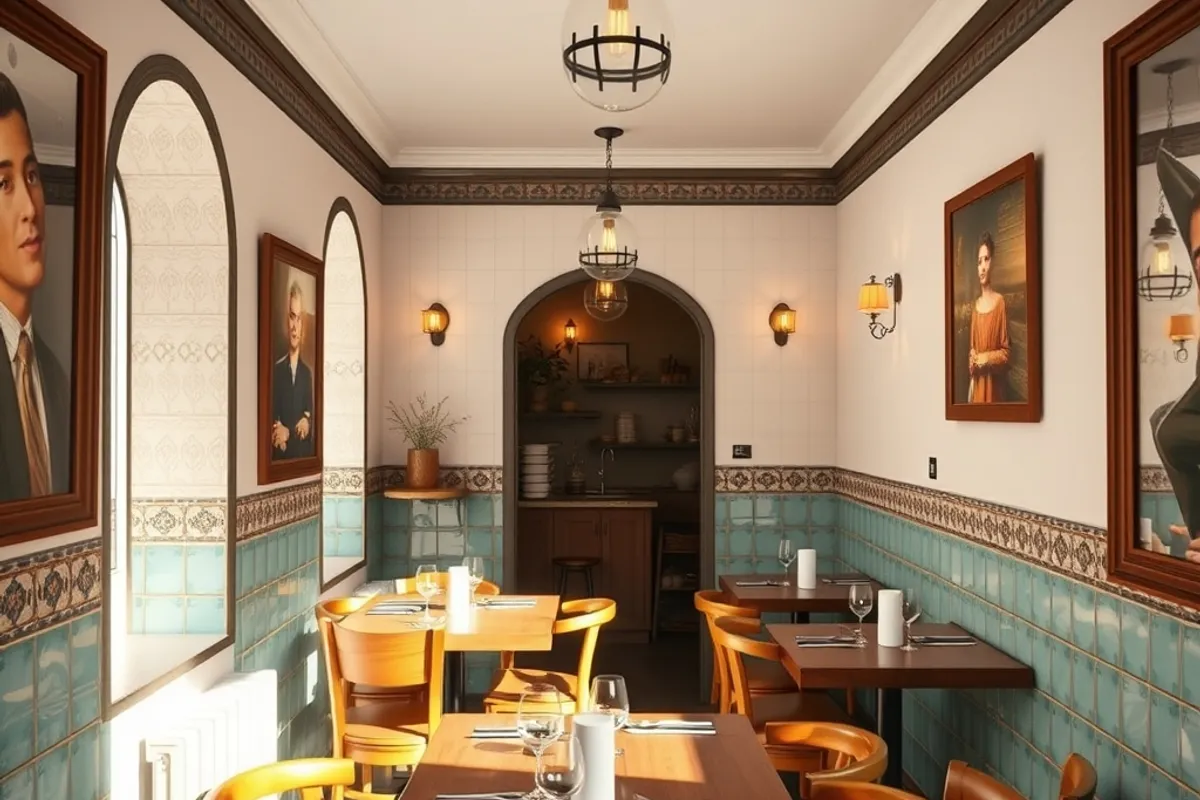
The pastel de nata is deservedly famous, but Lisbon eats well beyond it. Look for a tasca, the small family restaurant, and order the daily set menu. Grilled fish, caldo verde and a simple pork dish are usually excellent and cheap. At lunch, many restaurants serve a prato do dia that costs less than a tourist-menu dinner.
Avoid the restaurants with photographs of food and a man waving you in. Walk one street back and look for a place with locals at the tables. Book dinner for the places you care about, especially at the weekend, and remember that many kitchens close in the afternoon. A late lunch is part of the rhythm here, not a delay.

Day trips worth the train
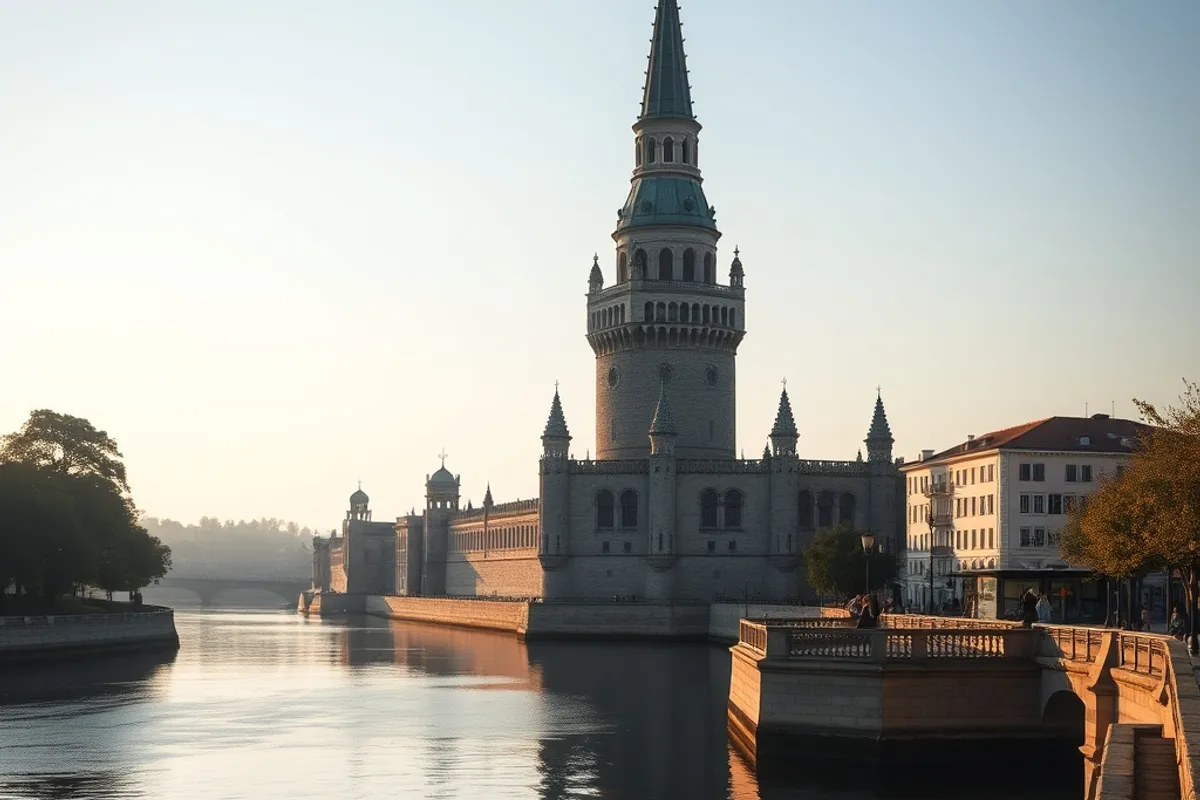
Sintra is the classic day trip: palaces, forest and a cool microclimate. It is also crowded, so book the first train and the palace tickets in advance. Cascais is a gentler option, with a beach, a marina and a coastal path. Obidos is a walled town that works as a long half-day, and the train plus bus connection is manageable.
If you only have time for one, choose Cascais for a relaxed day and Sintra for the spectacle. Both are easy on the train from Rossio or Cais do Sodre. Check the return times before you go; the last train is earlier than you expect on a Sunday.
For a slower trip with mountains instead of coast, see our Kyoto on foot guide, or browse the Hotel Review section for rooms we have actually paid for. Visit Portugal has the current transport passes and museum closures in one place.
- Stay near a metro stop and save your legs for the hills.
- Load a Viva Viagem card instead of buying paper tickets.
- Eat the prato do dia at a tasca, one street back from the tourist strip.
- Take the first train to Sintra and the slower train to Cascais.
Written by Rebeca Fenney for Rebeca Fenney. Tips or corrections? Email [email protected].